
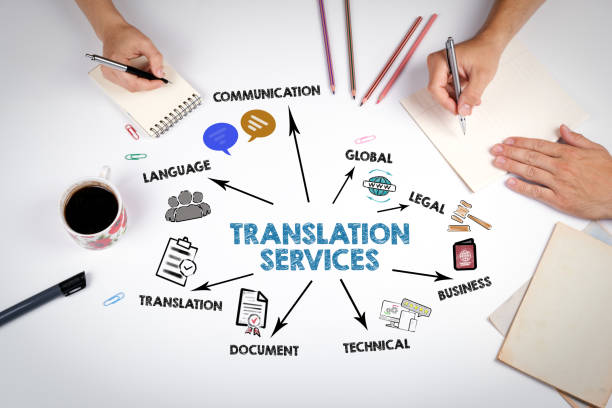
In today’s globalized economy, businesses are no longer limited by geographical boundaries. Expanding into international markets presents a plethora of opportunities, but it also comes with its own set of challenges. One of the most significant hurdles is overcoming language barriers. This is where certified translation services come into play. These services ensure that language is not an obstacle but a bridge to reaching new audiences. Achieving precise and culturally relevant communication is essential for successful market penetration and business growth.
Understanding the Need for Certified Translation Services
Certified translation services are critical for businesses aiming to operate globally. These services provide:
- Accurate translation of documents, ensuring the original meaning is preserved.
- Legal compliance, particularly for official documents required by foreign governments.
- Consistency in communication, maintaining brand voice across different languages.
- Quality assurance, as certified translations are often performed by skilled linguists with expertise in specific fields.
With the increasing demand for localization, certified translation services offer a reliable way to adapt content to suit local cultures and preferences. This not only enhances the brand image but also fosters trust and credibility in new markets.
Benefits of Unlocking International Markets
Expanding into international markets comes with a host of benefits that can significantly boost a company’s growth trajectory. These include:
- Increased Revenue: Reaching a broader audience can result in a substantial increase in sales and revenue.
- Diversified Risk: Operating in multiple markets can stabilize income streams and reduce reliance on a single market.
- Brand Recognition: Establishing a presence in multiple countries enhances global brand recognition and prestige.
- Access to New Talent: Entering foreign markets opens up opportunities to tap into a diverse talent pool.
However, these benefits can only be realized when businesses communicate effectively with local audiences. Certified translation services are essential in ensuring messages resonate well with the target demographic.
Ensuring Quality and Accuracy in Translation
Quality and accuracy are paramount when it comes to translations. Mistakes can lead to miscommunication, legal issues, and damage to a company’s reputation. Thus, it is crucial to engage services that guarantee:
- Expertise in Language: Certified translators possess deep understanding of both the source and target languages.
- Subject Matter Knowledge: Translators with expertise in specific industries ensure that technical terms are accurately translated.
- Attention to Cultural Nuances: Cultural context is key to ensuring that translations are relevant and appropriate for the target audience.
By focusing on these aspects, businesses can ensure their communications are effective and appeal to their target markets, leading to successful international ventures.
Choosing the Right Translation Partner
Selecting the right translation partner is crucial to achieving success in international markets. Consider the following when choosing a service provider:
- Certifications and Credentials: Ensure the provider has the necessary certifications and industry recognition.
- Client Testimonials and Case Studies: Look for feedback and success stories from past clients.
- Range of Services: Choose a provider offering a comprehensive range of translation and localization services.
- Commitment to Quality: Opt for providers with robust quality assurance processes.
A well-chosen translation partner can make a significant difference in how a brand is perceived in new markets. Investing in quality certified translation services is a strategic move that can unlock new opportunities and drive business growth.
In conclusion, entering international markets requires careful planning and execution. Language should not be a barrier but a tool for connection and growth. Certified translation services provide the expertise needed to navigate linguistic and cultural differences, ensuring that businesses can effectively communicate their value propositions to a global audience. By leveraging these services, companies can confidently expand their reach and capitalize on the opportunities that international markets present.
