
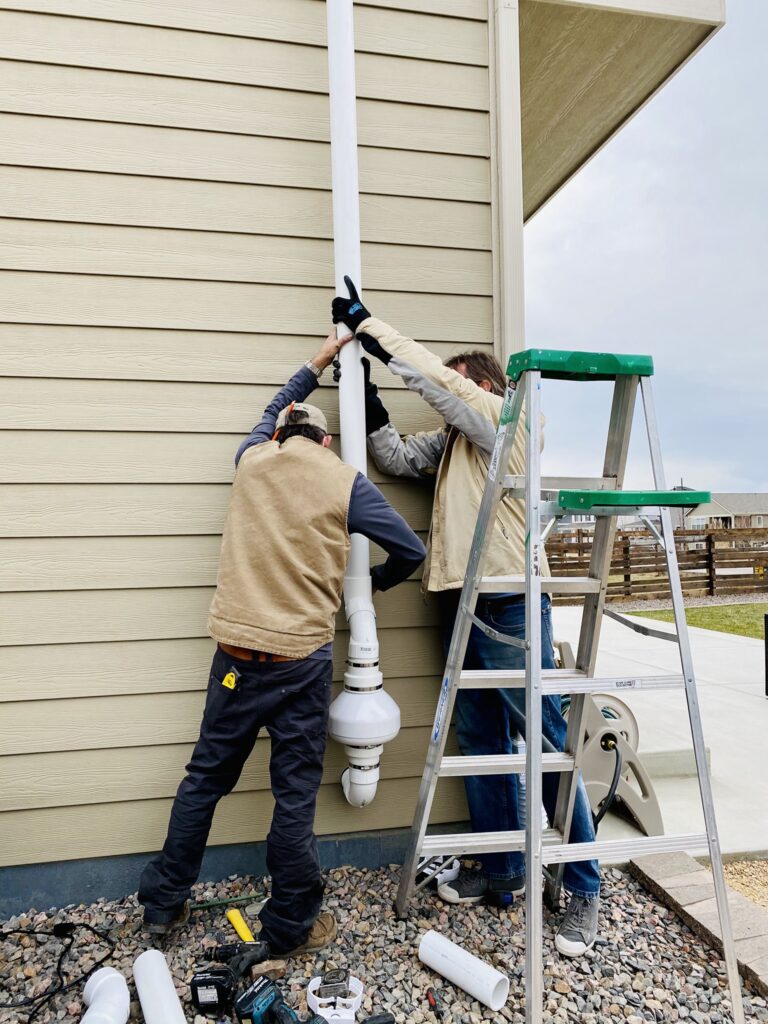
Radon gas, an invisible and odorless radioactive substance, is a prevalent issue in homes across the United States, with Denver being no exception. As a naturally occurring byproduct of uranium decay in soil, radon can infiltrate homes through cracks in the foundation, posing significant health risks. Understanding the importance of radon mitigation in Denver homes is crucial for ensuring safe indoor air quality and protecting residents from potential long-term health effects.
Understanding Radon and Its Risks
Radon is the second leading cause of lung cancer in the United States, following smoking. This underscores the importance of awareness and proactive measures in dealing with this hazardous gas. Homes in Denver, given the geological makeup of the region, are particularly susceptible to elevated radon levels.
Why Denver Homes Are at Risk
Denver’s unique geological features contribute to higher radon levels, making it a hotspot for elevated indoor radon concentrations. Factors such as:
- Soil composition rich in uranium.
- Climate conditions that trap radon indoors.
- Construction styles that may facilitate radon entry.
highlight the need for comprehensive radon testing and mitigation strategies.
Radon Testing: The First Step
To effectively mitigate radon, the first step is accurate and thorough testing. Homeowners should prioritize testing their homes to ascertain radon levels. This can be done through do-it-yourself kits or professional services. Discover expert strategies here.
Types of Radon Tests
- Short-term tests: These provide quick results and are useful for initial assessments. They typically run from 2 to 7 days.
- Long-term tests: Offering a comprehensive view over a period of 90 days to one year, these tests provide a more accurate measure of average radon levels.
Choosing the right test depends on the urgency and the level of detail required.
Mitigation Strategies for Denver Homes
Upon identifying elevated radon levels, the next step is to implement appropriate mitigation strategies. Effective radon mitigation can significantly lower radon concentrations, ensuring a safer living environment. Learn about our tailored solutions.
Common Mitigation Techniques
- Sub-slab depressurization: This is the most common and effective method, involving a system that vacuums radon from beneath the foundation and vents it outside.
- Soil suction: Also known as active soil depressurization, this method involves multiple suction points to draw radon away from the home.
- Sealing cracks and openings: While not a standalone solution, sealing is essential to enhance the effectiveness of other mitigation techniques.
Each home’s structure and radon levels dictate the choice of mitigation strategy. Explore advanced guides and tips.
Maintaining Safe Radon Levels
After implementing mitigation measures, ongoing monitoring is crucial to ensure sustained low radon levels. Regular testing can confirm the effectiveness of mitigation systems and reveal any necessary adjustments. Find out more about this approach.
Long-Term Considerations
- Annual radon testing to ensure continued safety.
- Maintenance of mitigation systems to prevent failures.
- Upgrading systems periodically to incorporate new technologies.
Commitment to these practices ensures a healthy home environment for years to come.
Understanding and addressing radon in Denver homes is paramount for the health and safety of residents. By leveraging expert strategies and tailored solutions, homeowners can effectively manage radon risks and secure their homes against this invisible threat.
