
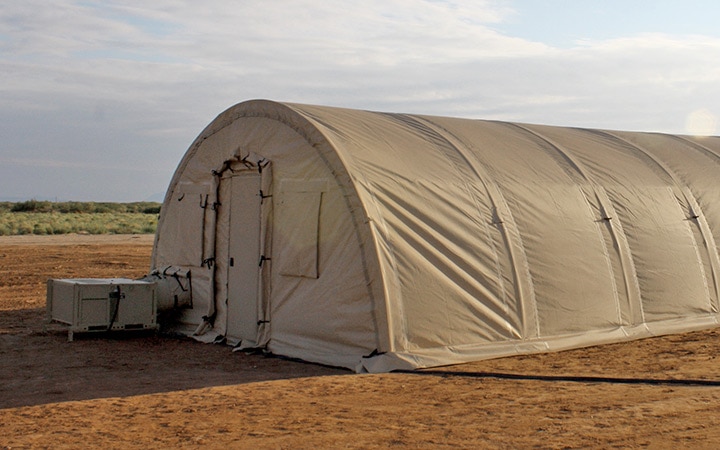
Embarking on an adventure in Alaska requires careful preparation, especially when it comes to choosing the right shelter. The unpredictable weather and rugged terrain demand durable and reliable tents that can withstand the elements. This guide will walk you through the essential factors to consider when selecting the best Alaska tents, ensuring that your outdoor experience is both safe and enjoyable.
Understanding the Unique Requirements of Alaska Tents
Alaska’s diverse landscapes, from icy glaciers to dense forests, mean that the tents used here must be versatile and robust. Here are some key factors to consider:
- Weather Resistance: Tents should be able to endure heavy rain, snow, and high winds.
- Insulation: Adequate insulation is crucial for maintaining warmth in cold conditions.
- Durability: Materials should be tough enough to resist wear and tear from rough surfaces.
- Portability: Lightweight and easy-to-transport options are preferred for long treks.
Types of Tents Suitable for Alaskan Adventures
Four-Season Tents
Designed for extreme weather, four-season tents offer superior protection against harsh conditions. These tents typically feature sturdy poles, reinforced seams, and a full-coverage rainfly.
Cabin Tents
Cabin tents are ideal for larger groups or families. They offer expansive space and are designed to provide comfort in moderate weather conditions. When choosing cabin tents, consider the ease of setup and stability in windier environments.
Backpacking Tents
For hikers and trekkers, Alaska tents designed for backpacking are a great choice. They prioritize lightweight materials and compactness, allowing for easy transport without sacrificing weather protection.
Key Features to Look for in Alaska Tents
- Ventilation: Adequate airflow prevents condensation build-up inside the tent.
- Double Walls: A double-wall construction offers an extra layer of insulation and moisture control.
- Easy Setup: Quick and simple assembly is essential in unpredictable weather.
Maintenance and Care Tips
Proper maintenance of your tent can significantly extend its lifespan. Here are some tips:
- Always dry the tent thoroughly before storage to prevent mold and mildew.
- Regularly check and replace damaged parts like zippers and poles.
- Store in a cool, dry place to avoid deterioration of materials.
Conclusion
Choosing the right tent is paramount for a successful Alaskan adventure. With the right information, you can select a shelter that meets your needs and withstands the demanding Alaskan environment. Whether you are a seasoned explorer or a first-time visitor, understanding the features and types of tents available will enhance your experience, making it both memorable and safe.
