
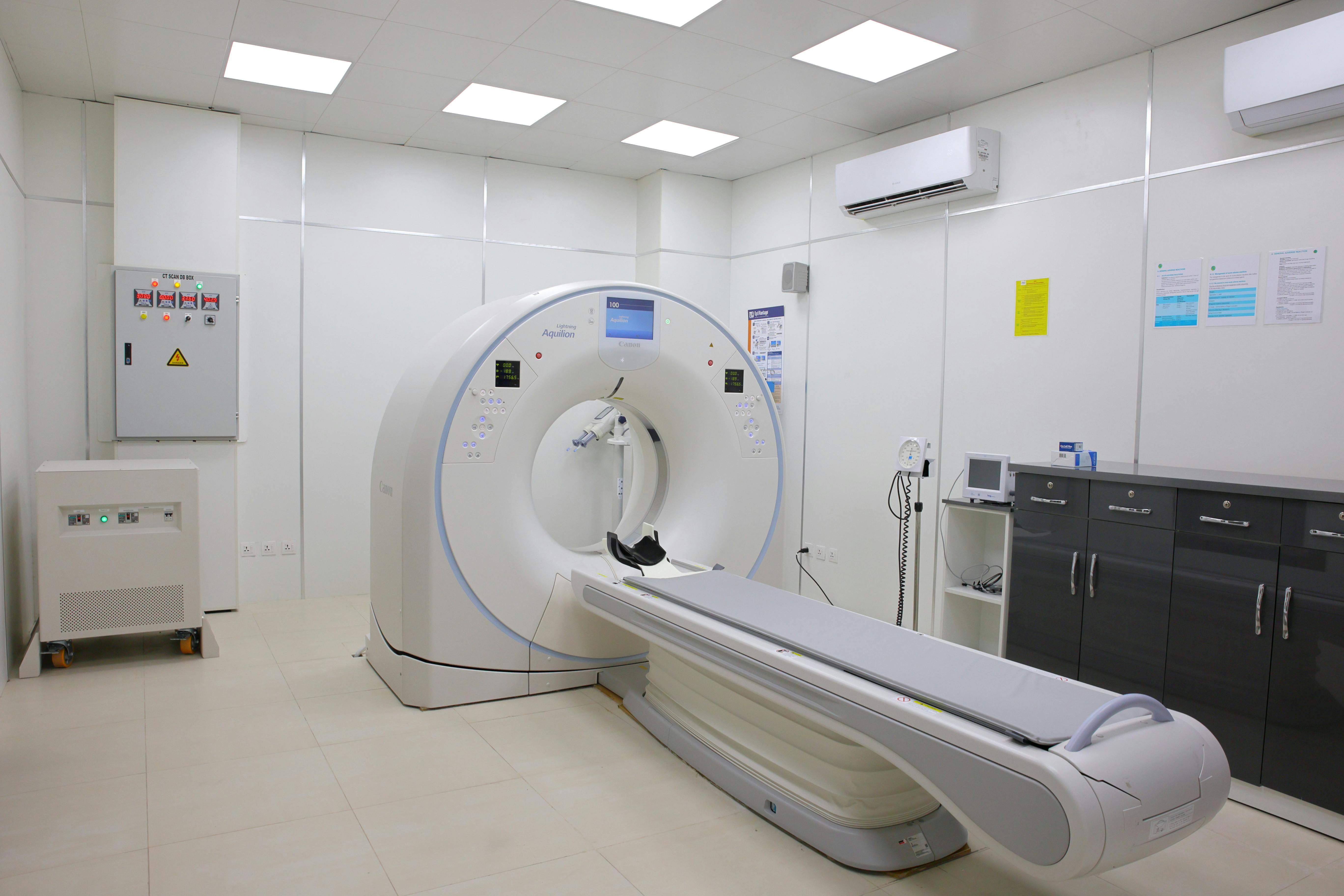
In the rapidly advancing field of medical imaging, PET/CT scans have become an indispensable tool in diagnosing and managing a variety of conditions. Combining the molecular imaging prowess of Positron Emission Tomography (PET) with the anatomical detail provided by Computed Tomography (CT), PET/CT offers a comprehensive view of the body”?s physiological processes alongside its structural components. This integration has significantly enhanced the accuracy of disease detection, staging, and treatment monitoring, especially in oncology, neurology, and cardiology. As the demand for precise diagnostic tools grows, so does the reliance on technologies like PET/CT, making them a cornerstone of modern medical practice.
Understanding PET/CT Technology
The PET/CT scan is a hybrid imaging technique that merges two different types of scans into one. This fusion provides detailed information about the body’s metabolism and anatomy, pivotal for identifying abnormalities.
How PET/CT Works
- PET Component: Utilizes radioactive tracers to visualize metabolic processes. These tracers are typically injected into the body, where they accumulate in areas with high metabolic activity, such as cancer cells.
- CT Component: Offers detailed cross-sectional images of the body’s internal structures, aiding in precise localization and characterization of abnormalities highlighted by PET.
Applications of PET/CT in Medicine
Due to its comprehensive capabilities, PET/CT is employed across various medical disciplines:
Oncology
- Essential for cancer detection, staging, and monitoring treatment response.
- Helps differentiate between benign and malignant lesions, guiding treatment decisions effectively.
Neurology
- Facilitates diagnosis of neurological conditions such as Alzheimer”?s disease, epilepsy, and brain tumors.
- Assists in assessing brain function and identifying areas of abnormal activity.
Cardiology
- Aids in evaluating myocardial perfusion and viability.
- Useful in the assessment of coronary artery disease.
Advantages of PET/CT Scans
The benefits of using PET/CT scans are numerous, making them a preferred choice in many clinical scenarios:
- Comprehensive Evaluation: Combines functional and structural imaging for a holistic assessment.
- Early Detection: Identifies disease at a molecular level before anatomical changes occur.
- Accurate Staging and Monitoring: Enhances the precision of cancer staging and evaluating treatment efficacy.
Accessing PET/CT Scans
For those seeking a PET scan in the Gold Coast region, advanced facilities are available, providing state-of-the-art technology and expert interpretation. These centers ensure patient comfort and accuracy in diagnosis, contributing to improved healthcare outcomes.
Additionally, the availability of PET and CT scans in various locations, such as Southport, ensures that patients have access to necessary diagnostic procedures without delay. The integration of PET scan and CT scan technologies in these facilities underscores the commitment to delivering comprehensive care.
The Future of PET/CT Imaging
As technology continues to evolve, the role of the scanner PET/CT in medical imaging is expected to expand. Innovations in tracer development and imaging techniques promise even greater precision and new applications, potentially transforming diagnostic and therapeutic strategies across medicine.
In conclusion, PET/CT imaging represents a significant advancement in medical diagnostics, offering unparalleled insights into the human body. As healthcare continues to prioritize precision and personalized medicine, technologies like PET/CT will remain at the forefront, shaping the future of diagnostic imaging and patient care.
