
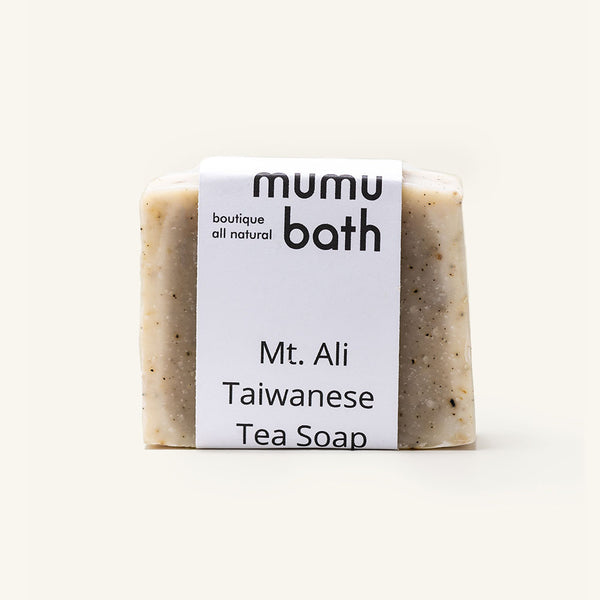
In recent years, there has been a significant shift towards using natural and eco-friendly products in daily skincare routines. Among these, organic soap has gained remarkable popularity due to its numerous benefits for healthy skin. Unlike conventional soaps, which often contain harsh chemicals and artificial fragrances, organic soaps are crafted using natural ingredients that are not only gentle on the skin but also environmentally friendly. This article explores the various advantages of incorporating organic soap into daily skincare practices.
Understanding Organic Soap
What Makes Soap Organic?
Organic soap is made from natural ingredients that have been grown without the use of pesticides or synthetic fertilizers. These soaps are free from harmful chemicals, such as parabens and sulfates, and are often enriched with essential oils and natural extracts.
Ingredients Typically Found in Organic Soap
- Natural oils like olive oil, coconut oil, and palm oil.
- Essential oils for fragrance and therapeutic benefits.
- Natural colorants derived from plants and minerals.
- Botanical extracts such as aloe vera and chamomile.
The Skin Benefits of Organic Soap
Gentle on the Skin
Organic soap is particularly beneficial for those with sensitive skin. The absence of harsh chemicals means that these soaps are less likely to cause irritation or allergic reactions. The natural ingredients provide a gentle cleansing action that maintains the skin’s natural moisture balance.
Nourishing and Moisturizing
Many organic soaps are enriched with nourishing ingredients that help to hydrate the skin. For instance, organic soaps containing shea butter or cocoa butter can provide deep moisture, leaving the skin feeling soft and supple.
Rich in Antioxidants
The natural ingredients used in organic soaps are often rich in antioxidants, which are essential for protecting the skin from environmental damage. Ingredients such as green tea and rosemary extract can help to combat free radicals and promote healthier, more radiant skin.
Environmental and Ethical Considerations
Eco-Friendly Production
The production of organic soap generally involves sustainable practices. This not only reduces the carbon footprint but also ensures that no harmful chemicals are released into the environment during manufacturing.
Cruelty-Free and Vegan Options
Many organic soap brands are committed to ethical practices, offering cruelty-free and vegan options. This means that no animal testing is involved, and the products do not contain any animal-derived ingredients, aligning with a growing consumer preference for ethically produced goods.
Conclusion
Switching to organic soap can significantly benefit both the skin and the environment. With its gentle, nourishing ingredients and commitment to sustainability, organic soap stands out as an excellent choice for anyone looking to improve their skincare routine. Exploring options at reputable sources can provide further insight into the myriad benefits of organic soap. Incorporating such products into a daily regimen not only enhances personal well-being but also contributes to a healthier planet.
