
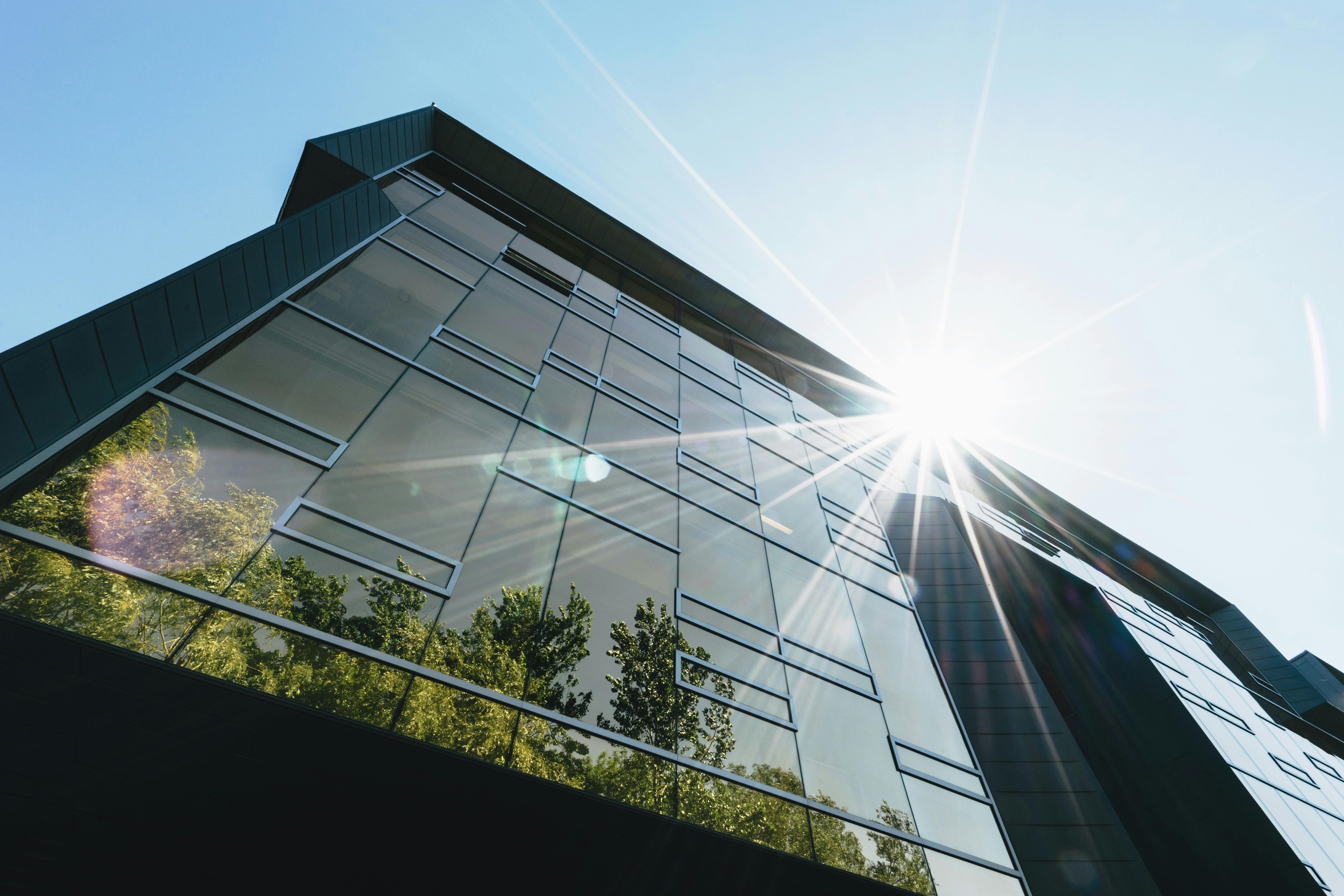
Sustainable construction is a modern approach to building that aims to minimize the environmental impact of construction processes and materials. As awareness of environmental issues grows, the construction industry is increasingly turning to sustainable practices to meet the demand for eco-friendly buildings. This shift not only benefits the environment but also offers significant economic and social advantages. By integrating sustainable techniques, the construction industry can create buildings that are more energy-efficient, reduce waste, and provide healthier living and working environments.
Environmental Benefits
Sustainable construction practices are primarily driven by their positive impact on the environment. By utilizing eco-friendly materials and techniques, the construction industry can significantly reduce its carbon footprint. Key environmental benefits include:
- Reduction in waste through recycling and reuse of materials.
- Lower energy consumption by implementing energy-efficient designs.
- Minimized water usage through innovative plumbing solutions.
- Preservation of natural resources by using renewable materials.
To delve deeper into how these practices are implemented, discover expert strategies here.
Economic Advantages
While the initial cost of sustainable construction can sometimes be higher, the long-term economic benefits are substantial. Investing in sustainable building practices can lead to:
- Reduced operational costs through energy and water savings.
- Increased property value due to higher demand for green buildings.
- Tax incentives and rebates offered for eco-friendly construction.
- Lower maintenance costs thanks to durable, high-quality materials.
To understand more about the economic benefits and how they can be achieved, find out more about this approach.
Social Impact
Sustainable construction is not only about environmental and economic gains; it also has a profound social impact. The focus on creating healthier environments is a crucial aspect of sustainable construction, and it includes:
- Improved indoor air quality by reducing the use of toxic materials.
- Enhanced natural lighting, which can boost mood and productivity.
- Creation of jobs in the green building sector.
- Contributing to community health and well-being by reducing pollution.
For tailored solutions that address these social aspects, learn about our tailored solutions.
Innovative Technologies in Sustainable Construction
The adoption of modern technologies has propelled sustainable construction forward, making it more effective and accessible. Several innovative technologies are at the forefront of this movement:
- Building Information Modeling (BIM) for efficient design and planning.
- Smart building systems to optimize energy use and enhance occupant comfort.
- Advanced materials such as self-healing concrete and bamboo flooring.
- Green roofs and walls for better insulation and air purification.
To explore advanced guides and tips on these technologies, explore advanced guides and tips.
Sustainable construction is not just a trend but a necessary evolution in the building industry. By embracing this approach, builders can contribute to a healthier planet while also reaping significant economic and social rewards. As the demand for sustainability continues to grow, the construction industry is poised to lead the way in creating a more sustainable future.
