
Small scale farming has become a pivotal aspect of sustainable agriculture, offering solutions that are not only environmentally friendly but also economically viable for smallholders. With the increasing demand for fresh and organic produce, small scale farming presents an opportunity to meet these needs while maintaining ecological balance. The focus on innovative practices and efficient resource management is driving the evolution of this sector, ensuring that small-scale farmers can thrive in a competitive market. This article explores various solutions that small-scale farmers can adopt to enhance productivity and sustainability.
Innovative Farming Techniques
Embracing innovative farming techniques is essential for small scale farmers aiming to maximize yield and efficiency. These methods often incorporate both traditional knowledge and modern technology to create a balanced approach to farming.
Crop Rotation and Diversity
– **Crop Rotation**: Implementing a crop rotation system helps maintain soil fertility and reduces pest and disease cycles. This method involves growing different types of crops in the same area in sequential seasons.
– **Plant Diversity**: Incorporating a variety of crops can improve resilience against pests and diseases, as well as enhance soil health.
Integrated Pest Management (IPM)
– **Biological Control**: Utilizing natural predators to control pest populations is a core component of IPM. This reduces the need for chemical pesticides, promoting a healthier ecosystem.
– **Cultural Practices**: Adjusting planting times and crop spacing can minimize pest outbreaks, supporting sustainable farming practices.
Efficient Resource Management
Effective resource management is crucial for small scale farmers to optimize productivity while conserving resources. By adopting precision agriculture techniques, farmers can achieve better yields with less input.
Water Conservation Techniques
– **Drip Irrigation**: This method delivers water directly to the plant roots, minimizing evaporation and maximizing efficiency.
– **Rainwater Harvesting**: Collecting and storing rainwater for irrigation purposes can significantly reduce reliance on traditional water sources.
For more on these strategies, discover expert strategies here.
Soil Health Management
– **Composting**: Using organic waste to create compost enriches the soil with nutrients and enhances its structure.
– **Cover Cropping**: Planting cover crops like clover or rye can prevent soil erosion and improve soil organic matter.
Find out more about this approach to maintaining soil health.
Leveraging Technology in Small Scale Farming
Technology plays a crucial role in modernizing small scale farming, offering tools and platforms that simplify farm management and increase productivity.
Mobile Applications and Software
– **Farm Management Software**: These applications help farmers track crop performance, manage inventories, and analyze market trends.
– **Weather Forecasting Apps**: Accurate weather predictions enable farmers to plan activities effectively, reducing losses due to unexpected conditions.
Explore advanced guides and tips on leveraging technology here.
Mechanization and Automation
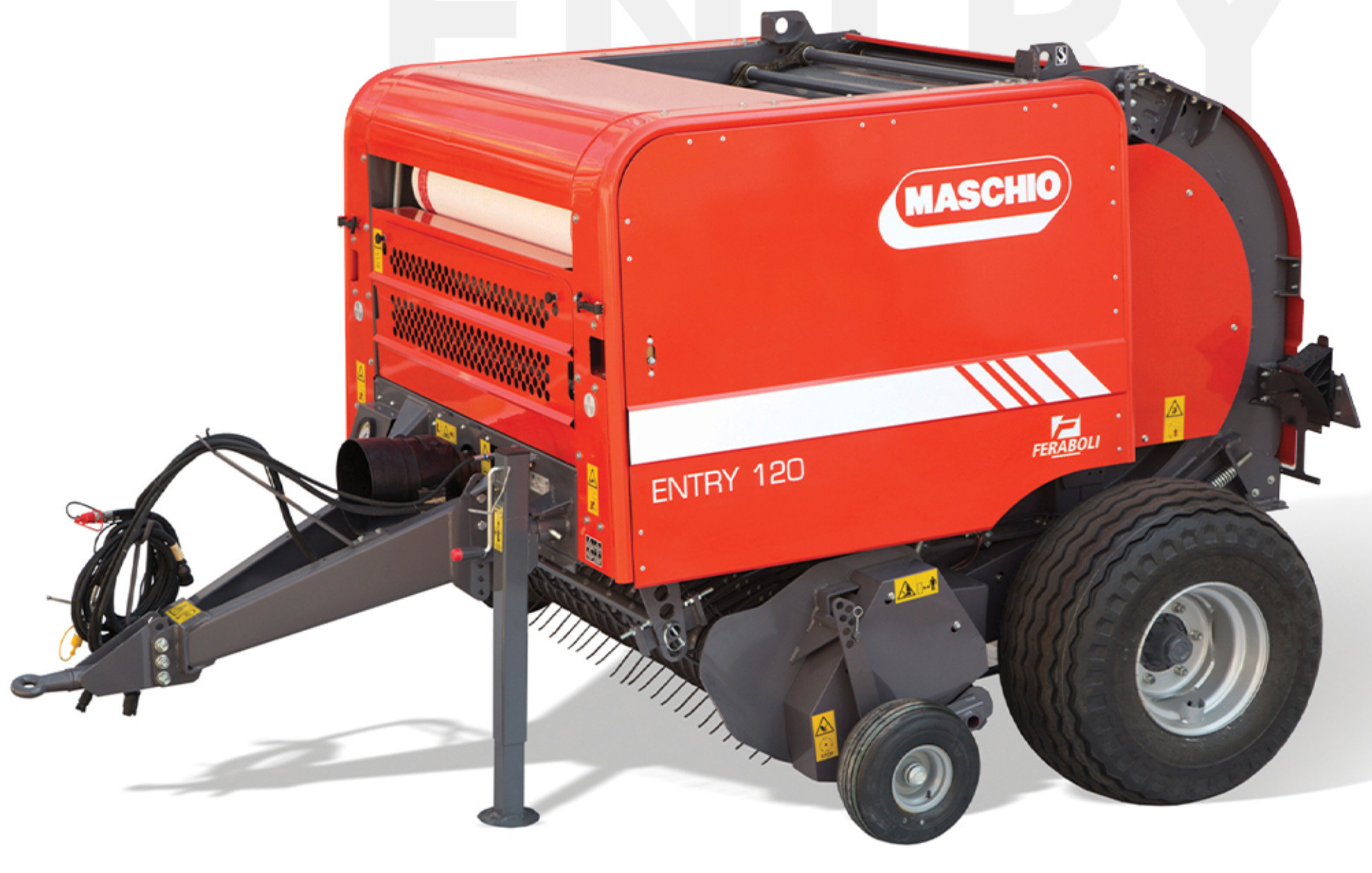
– **Miniature Farm Equipment**: Tools like mini tractors and balers can significantly reduce labor costs and time spent on manual tasks.
– **Drones and Sensors**: These devices provide real-time data on crop health, moisture levels, and other critical factors, allowing for precise interventions.
Learn about our tailored solutions for integrating technology into small scale farming here.
Conclusion
Small scale farming, when approached with the right strategies and resources, can be both profitable and sustainable. By implementing innovative techniques, managing resources efficiently, and embracing technology, small-scale farmers can enhance their productivity and contribute to a more sustainable agricultural future. For those seeking to delve deeper into effective small scale farming practices, explore more solutions here.
