
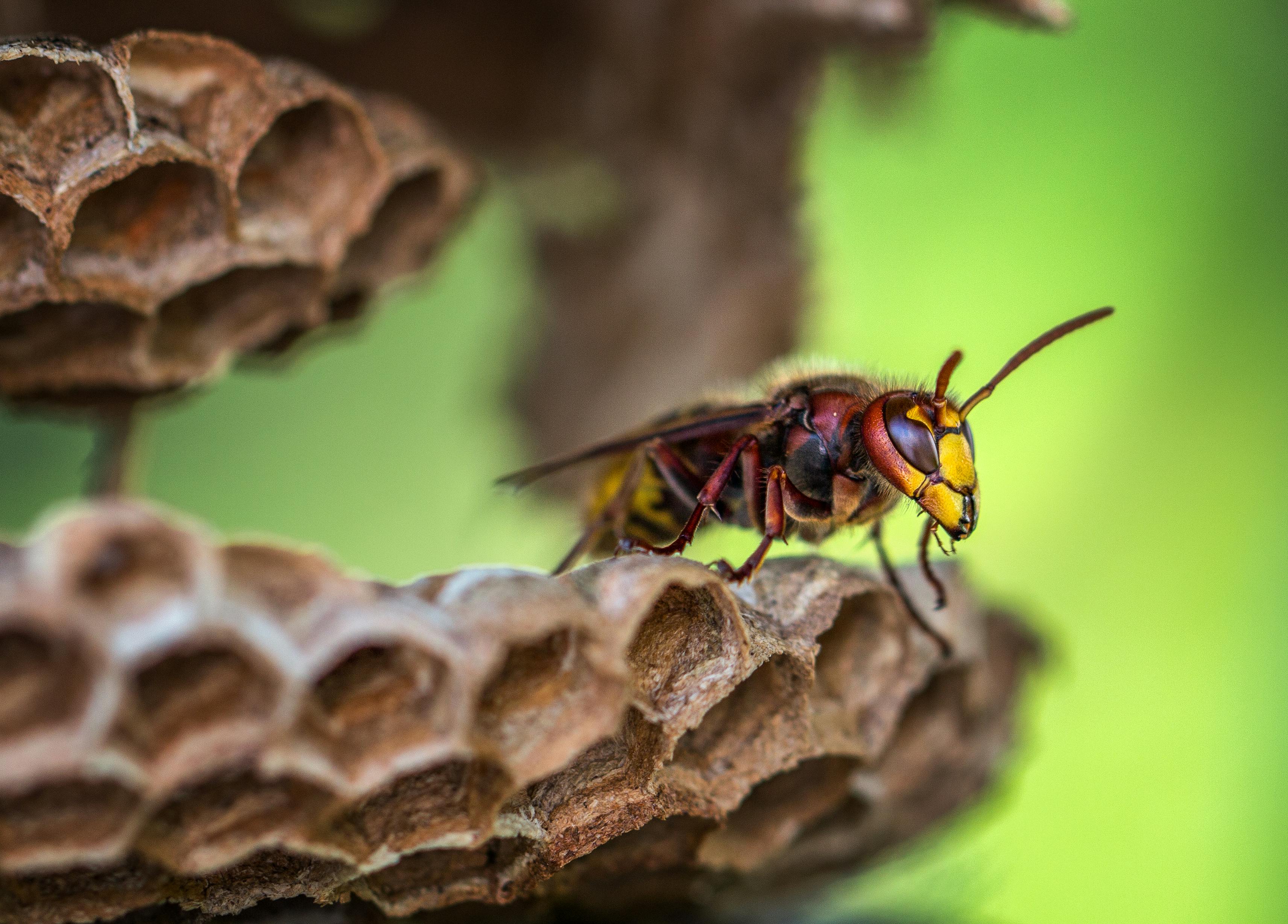
Encountering a wasp nest around your home or workplace can be a daunting experience. Wasps are beneficial insects, playing a vital role in pollination and pest control. However, their nests can pose significant threats, particularly for those with allergies or in areas with high human traffic. Disposing of a wasp nest safely and efficiently requires a strategic approach, employing the right techniques and precautions to prevent harm to both humans and the environment. This article aims to guide you through the process of safe wasp nest disposal, offering insights into preventive measures and professional intervention options.
Understanding the Threat
Before deciding on a disposal method, it’s crucial to understand the potential hazards posed by wasps and their nests:
- Wasps can sting multiple times, posing a risk of severe allergic reactions.
- Disturbing a nest can provoke aggressive behavior from the wasps.
- Improper disposal can lead to environmental harm and ineffective removal.
For more about the risks associated with wasp nests, read more about this topic.
Preparation and Precautions
Assess the Situation
Before taking any action, assess the location and size of the nest. Consider factors such as the proximity to human activities and whether professional help might be required. If the nest is in a hard-to-reach area or if the wasps appear particularly aggressive, seeking professional assistance is advisable.
Gather Necessary Equipment
If you choose to proceed with self-removal, ensure you have the following equipment:
- Protective clothing, including long sleeves, gloves, and a face mask.
- A suitable wasp spray or insecticide specifically designed for wasp nest removal.
- A flashlight, if the nest is located in a dimly lit area.
Learn more in this detailed guide about the equipment needed for safe wasp nest disposal.
Step-by-Step Disposal Process
Timing and Approach
The best time to approach a wasp nest is during the evening or early morning when wasps are less active. This reduces the chance of provoking an aggressive response.
Execution
Follow these steps for effective wasp nest disposal:
- Wear all protective gear before approaching the nest.
- Position yourself at a safe distance and aim the wasp spray at the nest entrance.
- Apply the insecticide according to the manufacturer’s instructions, ensuring thorough coverage.
- Retreat immediately after application to avoid contact with escaping or falling wasps.
After ensuring all wasp activity has ceased, carefully remove the nest and dispose of it in a sealed plastic bag. For more detailed instructions, explore further insights here.
When to Seek Professional Help
In certain situations, professional intervention is the safest option. Consider contacting experts if:
- The nest is large or situated in a difficult-to-access area.
- You have allergies or are sensitive to wasp stings.
- Previous attempts to remove the nest have been unsuccessful.
Professional pest control services have the expertise and equipment to handle wasp nests safely and efficiently. Find additional information here about the benefits of professional wasp nest removal.
Preventive Measures
Preventing wasps from building nests in the first place is the most effective strategy. Here are some preventive measures:
- Seal potential entry points around your property.
- Keep outdoor bins covered and clean.
- Regularly inspect your property for early signs of nest building.
For more preventive tips and strategies, learn more in this detailed guide.
In conclusion, while wasps play a beneficial role in the ecosystem, their nests can pose significant risks when located near human activities. By understanding the threat, taking necessary precautions, and knowing when to seek professional help, you can ensure safe and efficient wasp nest disposal. Always prioritize safety and environmental responsibility in your approach.
