
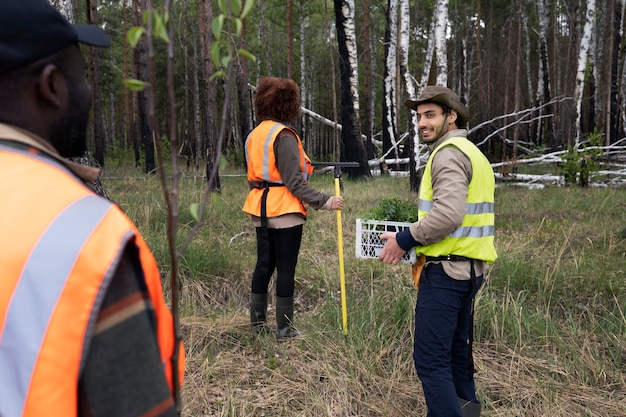
Wildlife preservation is a critical component of maintaining ecological balance and ensuring the survival of various species. As human activities continue to encroach upon natural habitats, the importance of protecting wildlife becomes even more pronounced. This article explores the significance of wildlife preservation, underscoring the need for proactive measures and sustainable practices to safeguard our planet’s biodiversity.
The Role of Wildlife in Ecosystems
Wildlife plays an integral role in maintaining the health of ecosystems. Species interact in complex food webs, contributing to nutrient cycling, pollination, and seed dispersal. The loss of a single species can have cascading effects, disrupting these processes and leading to ecosystem instability. It is essential to protect wildlife to preserve these ecological functions.
- Pollinators like bees and butterflies are critical for the reproduction of many plants.
- Predators help maintain species populations, preventing overpopulation and resource depletion.
- Decomposers, such as fungi and certain insects, break down organic matter, recycling nutrients back into the soil.
Threats to Wildlife
Numerous factors threaten wildlife, making preservation efforts even more crucial. Habitat destruction, climate change, pollution, and poaching are among the leading causes of species decline. Addressing these threats requires a multifaceted approach, including habitat restoration, legal protection, and public education.
Habitat Destruction
Urban expansion, deforestation, and agriculture often lead to habitat loss, leaving wildlife with limited space to thrive. Efforts to mitigate habitat destruction include creating wildlife corridors and implementing sustainable land-use practices. Find out more about this approach.
Climate Change
Climate change alters habitats and disrupts migration patterns, forcing species to adapt or face extinction. Conservation strategies must incorporate climate resilience to ensure the long-term survival of wildlife. Explore advanced guides and tips.
Effective Wildlife Preservation Strategies
Implementing effective wildlife preservation strategies involves a combination of local and global efforts. Conservation organizations, governments, and individuals must collaborate to develop and enforce policies that protect wildlife.
- Enforcing anti-poaching laws and strengthening penalties for wildlife crimes.
- Promoting community-based conservation projects that engage local populations.
- Supporting sustainable tourism that benefits wildlife conservation efforts.
By engaging with experts, individuals can also learn how to protect wildlife in their own communities. Discover expert strategies here. Additionally, readers can check out customer reviews here to see what others are saying about us.
The Importance of Public Awareness and Education
Raising public awareness and educating communities about the importance of wildlife preservation are vital components of conservation efforts. Informing people about the roles different species play in ecosystems can foster a sense of responsibility and inspire action.
Educational programs and campaigns can:
- Highlight the economic benefits of biodiversity, such as ecotourism and ecosystem services.
- Encourage sustainable practices that reduce human impact on wildlife.
- Inspire future generations to become stewards of the environment.
For further insights into how tailored solutions can help in wildlife preservation, learn about our tailored solutions.
In conclusion, protecting wildlife is an essential endeavor that requires collective action and commitment. By understanding the importance of wildlife preservation and implementing effective strategies, humanity can ensure a thriving planet for future generations.
