
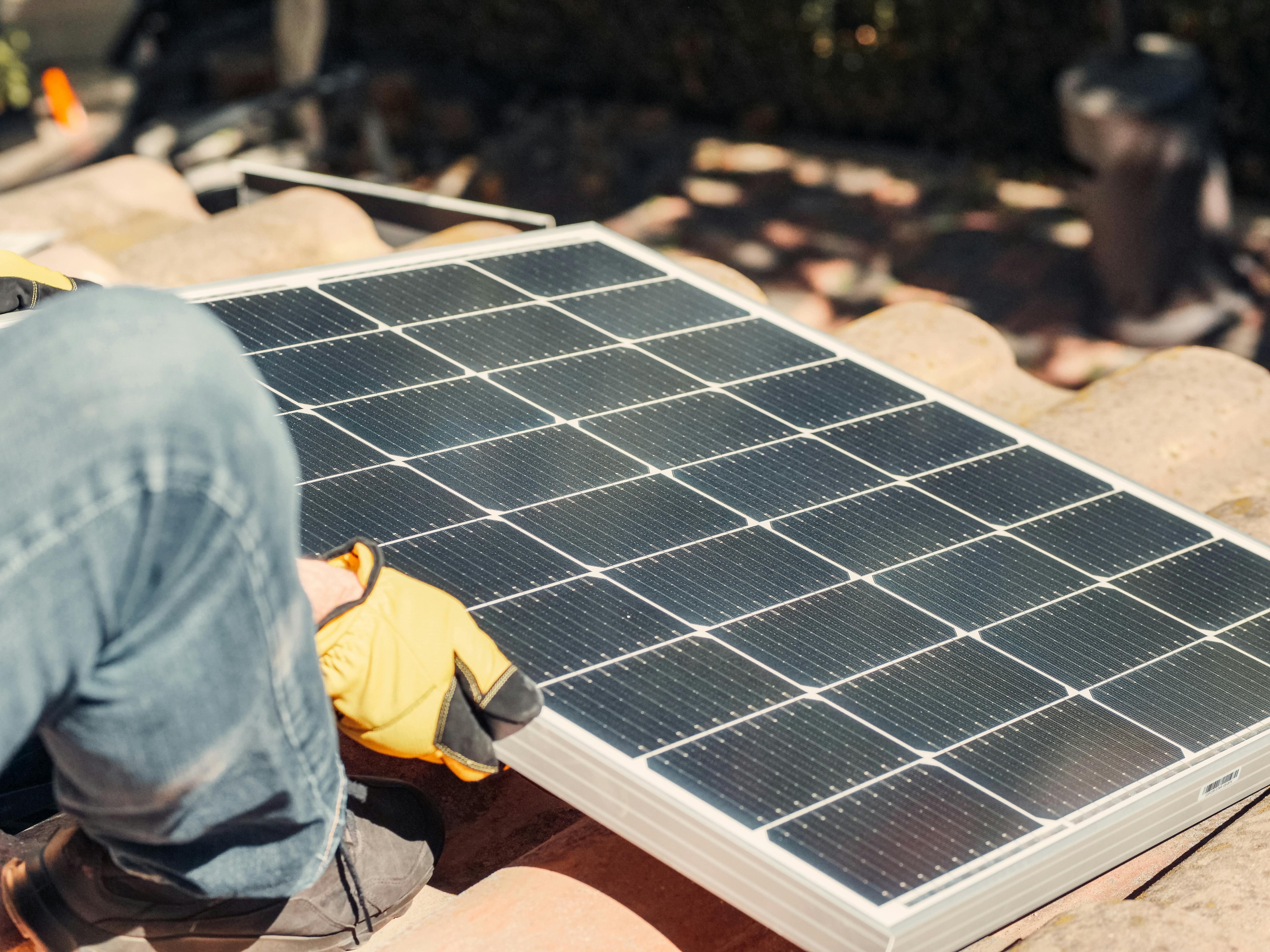
Western Australia is renowned for its abundant sunshine, making it an ideal location for harnessing solar energy. With the increasing focus on renewable energy, solar panel rebates have become a pivotal factor in encouraging homeowners and businesses to invest in solar technology. These rebates not only make solar installations more affordable but also contribute significantly to long-term savings on energy bills. Understanding how to maximize these savings can be a game-changer for residents and businesses alike in Western Australia.
The Importance of Solar Panel Rebates
Solar panel rebates are financial incentives provided by the government to encourage the adoption of solar energy. In Western Australia, these rebates can significantly reduce the initial costs of purchasing and installing solar systems. Key aspects include:
- Offsetting upfront costs, making solar technology accessible to more households and businesses.
- Encouraging the use of renewable energy, thus reducing carbon footprints.
- Contributing to the state’s overall energy efficiency goals.
Recognizing the potential savings and environmental benefits, many are turning to solar energy. Discover expert strategies here.
Understanding Different Types of Rebates
Government Rebates
The Australian government offers various rebates and incentives to support solar energy adoption. These include:
- Small-scale Technology Certificates (STCs): These certificates can be traded for cash or a discount on the cost of the solar system.
- Feed-in Tariffs: These are payments made to solar panel owners for the electricity they generate and feed back into the grid.
These incentives are designed to make solar installations more affordable, promoting a switch to greener energy solutions. Learn about our tailored solutions.
State-Specific Incentives
In addition to federal incentives, Western Australia provides state-specific rebates and schemes. These can include:
- Renewable Energy Buyback Scheme (REBS): This scheme allows homeowners to receive payments for excess energy fed back into the grid.
- Low-interest loans: Offered to assist in the financing of solar panel installations.
Such initiatives are crucial in promoting sustainable energy practices across the state. Explore advanced guides and tips.
Maximizing Savings with Solar Rebates
To fully capitalize on the available rebates and maximize savings, consider the following strategies:
- Conduct a thorough energy audit: Assess energy usage to determine the appropriate solar system size.
- Choose quality installations: Invest in high-quality solar panels and inverters to ensure longevity and efficiency.
- Understand the rebate application process: Ensure that all paperwork and requirements are fulfilled to qualify for rebates.
- Stay informed: Keep updated on evolving rebate schemes and incentives to continually benefit from potential savings.
By following these strategies, significant savings and an enhanced return on investment can be achieved. Find out more about this approach.
Future of Solar Energy in Western Australia
With ongoing advancements in solar technology and increasing government support, the future of solar energy in Western Australia looks promising. The state’s commitment to renewable energy is evidenced by its comprehensive rebate programs and incentives designed to make solar energy a viable option for all.
As more individuals and businesses recognize the financial and environmental benefits, the adoption of solar energy is expected to rise, further contributing to the state’s sustainability goals. Staying informed and strategically leveraging available rebates will ensure that Western Australians can maximize their savings and contribute to a greener future.
