
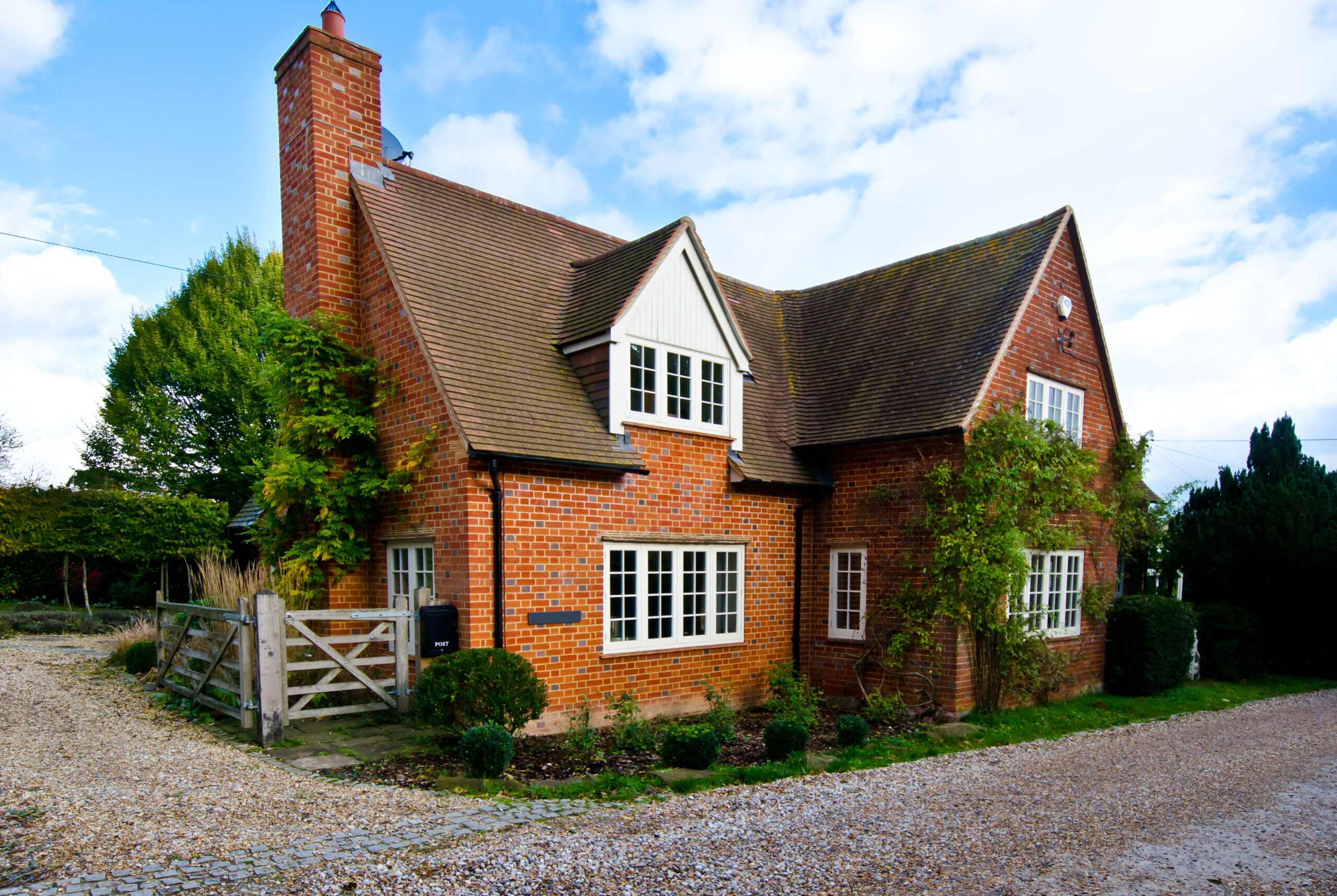
When considering purchasing a property, a comprehensive understanding of its condition is crucial. For those particularly interested in older or larger homes, or properties that have undergone significant alterations, a Level 3 Building Survey is often recommended. This type of survey provides an in-depth analysis of a building’s structure and condition, identifying potential issues that may require attention. However, before commissioning such a survey, it’s essential to understand the factors influencing its cost. This article will explore key considerations that can impact the cost of a Level 3 Building Survey, helping you make an informed decision.
Factors Influencing Level 3 Building Survey Costs
Property Size and Type
The size and type of the property are primary determinants of the survey cost. Larger properties naturally require more time and resources to inspect thoroughly. Similarly, the type of building, whether it’s a historic home or a modern construction, can influence the complexity and duration of the survey.
- Large properties often incur higher survey fees due to extended inspection times.
- Historical or listed buildings may require specialists, leading to increased costs.
- Unique architectural features or unconventional designs might necessitate additional expertise.
For a detailed understanding of how property characteristics affect survey costs, explore further insights here.
Surveyor’s Expertise and Experience
The qualifications and experience of the surveyor conducting the Level 3 Building Survey significantly impact costs. More experienced surveyors may charge higher fees, reflecting their expertise and the comprehensive nature of their evaluations.
- Highly qualified surveyors often demand premium fees.
- Specialization in certain building types or issues can influence pricing.
- Consider the balance between cost and the depth of analysis provided.
To understand more about selecting the right surveyor, learn more in this detailed guide.
Location of the Property
The geographic location of the property also affects survey costs. Properties in urban areas may be subject to higher fees due to increased demand and cost of living factors in these regions. Conversely, remote locations could incur additional travel expenses.
- Urban properties often come with higher survey costs.
- Travel expenses may be applicable for rural or distant locations.
- Regional variations can influence pricing structures significantly.
Read more about how location impacts survey pricing by visiting this topic.
Additional Considerations
Scope of the Survey
The level of detail required in the survey report can also affect the cost. A more detailed report with extensive recommendations will generally cost more, but it can provide invaluable insights for potential buyers.
- Comprehensive reports offer detailed analysis but come at a higher cost.
- Customizable survey options may be available, affecting pricing.
- Discuss specific needs with the surveyor to tailor the survey appropriately.
For additional information on tailoring the survey scope to your needs, find additional information here.
Timing and Availability
The timing of the survey and the availability of the surveyor can also play a role in the cost. Urgent surveys or those requiring fast-track services might incur premium charges.
- Immediate or expedited surveys may be subject to higher fees.
- Advance bookings can sometimes reduce costs.
- Seasonal demand fluctuations can also influence pricing.
To explore more about scheduling and timing considerations, explore further insights here.
Understanding these factors can help potential buyers budget effectively for a Level 3 Building Survey and ensure they receive the most accurate and comprehensive assessment of their prospective property. Being informed about these considerations will aid in making a well-rounded decision when commissioning a survey.
