
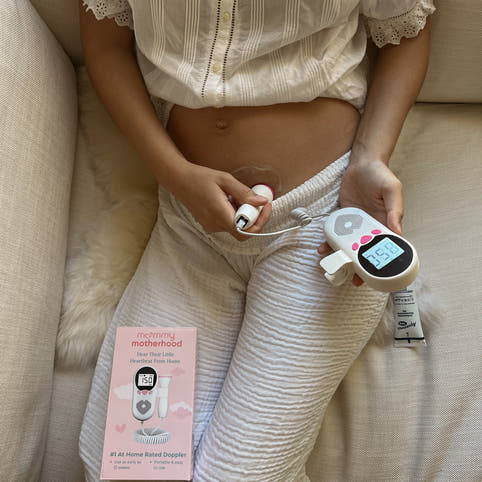
Expectant parents often find themselves eagerly anticipating the first signs of their baby’s heartbeat. A Baby Heartbeat Doppler is a popular device that allows parents to listen to their baby’s heartbeat at home, providing reassurance and joy. However, it is essential to use this device correctly to ensure both safety and accuracy. This article provides comprehensive guidance on using a Baby Heartbeat Doppler safely and effectively.
Understanding the Baby Heartbeat Doppler
A Baby Heartbeat Doppler is a handheld ultrasound device that uses sound waves to detect the fetal heartbeat. By reflecting these sound waves off the fetus, the device translates them into audible sounds of a heartbeat.
Benefits of Using a Doppler
-
- Provides reassurance to expectant parents by allowing them to hear their baby’s heartbeat.
-
- Can be a bonding experience between parents and the unborn child.
-
- Helps in monitoring the baby’s health between regular prenatal checkups.
Safety Guidelines for Using a Doppler at Home
While using a Baby Heartbeat Doppler can be a joyful experience, it is crucial to prioritize safety. Here are some guidelines to follow:
Consult With a Healthcare Professional
Before using a Doppler, consult with a healthcare provider to understand the appropriate usage and limitations. They can provide valuable insights on how often and for how long it should be used.
Follow the Manufacturer”?s Instructions
- Read the instruction manual thoroughly before first use.
- Ensure the device is used in a manner consistent with the manufacturer’s guidelines.
Limit Usage
Excessive use of the Doppler is not recommended. Limit usage to a short period and avoid using it multiple times a day. This helps in minimizing any potential risks associated with prolonged exposure to ultrasound waves.
Steps to Use a Baby Heartbeat Doppler
To effectively use a Baby Heartbeat Doppler, follow these steps:
- Prepare the Device: Turn on the Doppler and test its functionality. Make sure it has fully charged batteries or is plugged in, depending on the model.
- Apply Gel: Use a generous amount of ultrasound gel on the area of your abdomen where you”?ll be placing the device. The gel helps in conducting the sound waves.
- Position the Doppler: Gently place the Doppler”?s probe on your abdomen. Start from the pubic bone and slowly move it upwards.
- Listen for the Heartbeat: Move the probe slowly and patiently until you hear the baby’s heartbeat. It might take a few tries to locate the heartbeat, especially in the early stages of pregnancy.
- Interpret the Sound: The fetal heartbeat sounds like a rapid thumping and is typically between 110 and 160 beats per minute.
When to Seek Medical Advice
If you are unable to detect a heartbeat, do not panic. The inability to find a heartbeat does not necessarily indicate a problem. Factors like the baby’s position or gestational age can affect detection. However, if there are concerns about the baby’s health or if there is a persistent inability to detect the heartbeat, consult a healthcare provider promptly.
Conclusion
Using a Baby Heartbeat Doppler can be a wonderful experience for expectant parents, providing comfort and connection with their unborn child. By following safety guidelines and using the device responsibly, parents can enjoy the benefits of this technology while ensuring the well-being of both mother and baby. Always prioritize professional medical advice and regular prenatal care for a healthy pregnancy journey.
