
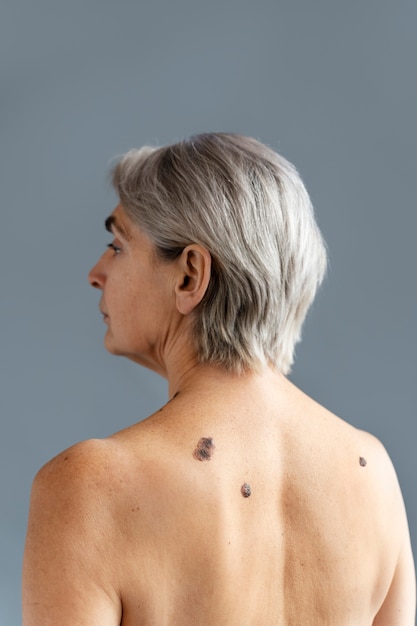
Skin cancer is a pervasive and potentially deadly condition that affects millions of people globally. Early detection and treatment are crucial in managing this disease effectively. General Practitioners (GPs) play a critical role in the early stages of skin cancer management. By identifying suspicious skin changes and initiating appropriate interventions, GPs can significantly impact patient outcomes. This guide provides an overview of key strategies for GPs to detect and treat skin cancer early.
Understanding Skin Cancer
Skin cancer primarily occurs in three forms: basal cell carcinoma, squamous cell carcinoma, and melanoma. Each type has distinct characteristics and potential to spread, making it crucial to understand their differences.
Types of Skin Cancer
- Basal Cell Carcinoma (BCC): The most common form, often appearing as a waxy bump or flat lesion.
- Squamous Cell Carcinoma (SCC): Typically manifests as a firm red nodule or a flat lesion with a scaly crust.
- Melanoma: Less common but more dangerous, melanoma often appears as a new mole or a change in an existing mole.
Early Detection Strategies
Regular skin examinations are essential for early detection. GPs should encourage patients to perform self-examinations and schedule routine check-ups.
- Self-Examination: Patients should be educated on how to examine their skin regularly for any new or changing lesions.
- Professional Skin Checks: Routine skin examinations by a skin cancer gp can help identify suspicious lesions early.
- Use of Dermoscopy: A non-invasive diagnostic tool that can aid in the examination of skin lesions.
Recognizing Suspicious Skin Changes
GPs should be adept at recognizing the signs of potentially cancerous skin lesions. The ABCDE rule can be an effective tool in evaluating moles:
- A – Asymmetry: One half of the mole does not match the other.
- B – Border: Irregular, scalloped, or poorly defined edges.
- C – Color: Varied shades of brown, black, or other colors.
- D – Diameter: Greater than 6mm, although melanomas can be smaller.
- E – Evolving: Changes in size, shape, or color over time.
Treatment Options
Treatment for skin cancer depends on the type, size, location, and stage of the cancer, as well as the patient’s overall health. Common treatment options include:
- Surgical Removal: Excising the cancerous tissue is often the first line of treatment.
- Cryotherapy: Freezing cancer cells with liquid nitrogen.
- Topical Treatments: Creams or ointments used for certain types of skin cancers.
- Radiation Therapy: Used when surgery is not an option.
- Targeted Therapy: Drugs that specifically target cancerous cells.
Patient Education and Prevention
Educating patients about the risks of UV exposure and the importance of sun protection is paramount. Preventive measures include:
- Using broad-spectrum sunscreen with an SPF of at least 30.
- Wearing protective clothing, hats, and sunglasses.
- Avoiding tanning beds and limiting sun exposure, especially during peak hours.
Conclusion
The role of a skin cancer gp is pivotal in the early detection and treatment of skin cancer. By staying informed and vigilant, GPs can significantly improve outcomes for patients through early intervention and education. Encouraging proactive skin health measures and regular check-ups can ultimately lead to better management and reduced incidence of skin cancer.
