
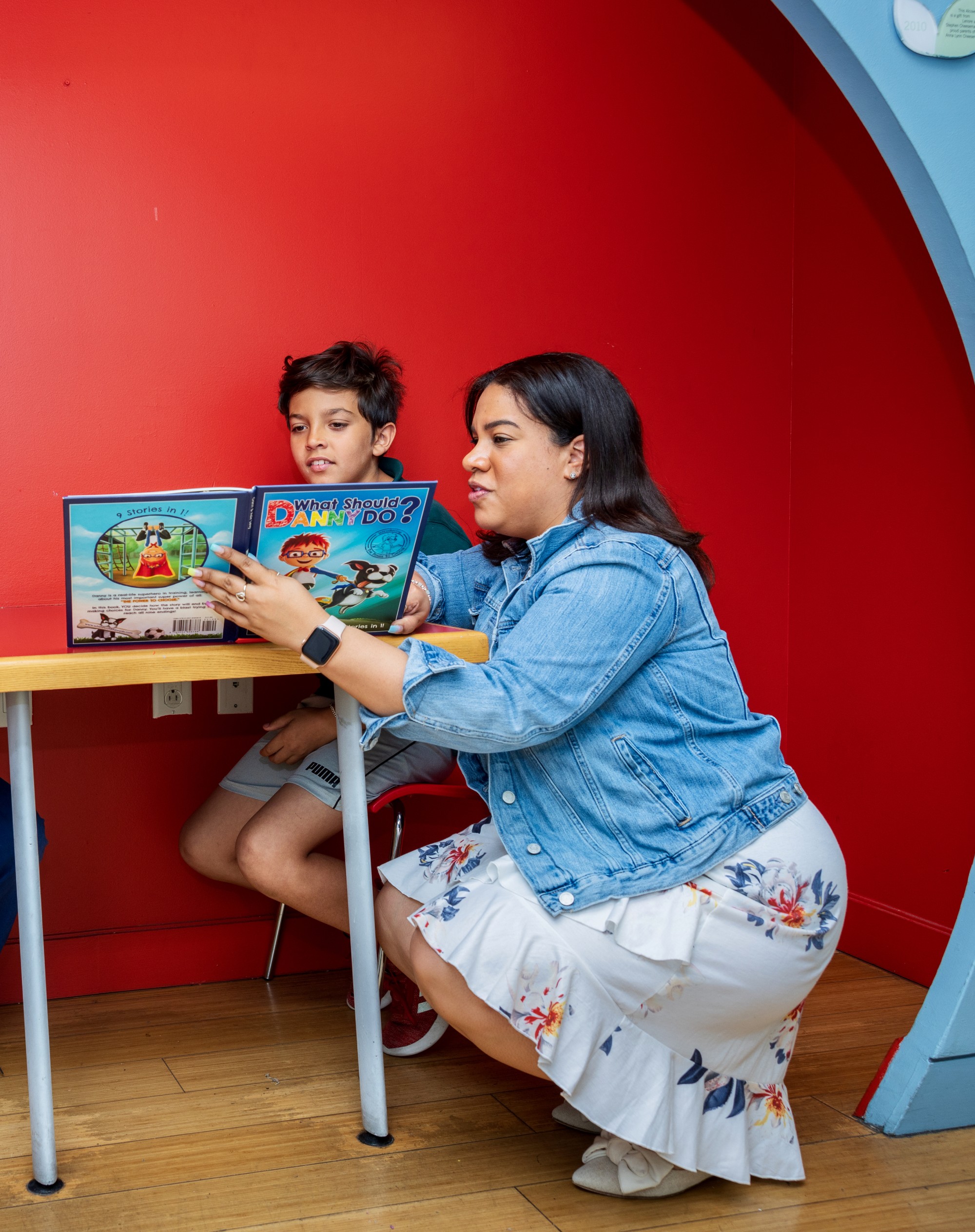
Finding the right educational environment for a child with dyslexia can be a challenging and daunting task for parents. Dyslexic students require specialized teaching approaches and a nurturing atmosphere to thrive academically and socially. Private lower schools often provide these essential resources and personalized support, making them an ideal option for families seeking tailored education. However, selecting the best school involves more than just a quick internet search. It requires a comprehensive evaluation of the school’s curriculum, teaching methods, and support systems in place. This article delves into the crucial factors that parents should consider when looking for a private lower school for their dyslexic child.
Identifying Key Features of an Ideal School
When exploring private school options, several critical features should be prioritized to ensure the institution can effectively support dyslexic students. Begin by assessing the following:
- Curriculum Tailored to Dyslexic Students: A well-structured curriculum that integrates multisensory teaching methods is vital. It should focus on building reading, writing, and comprehension skills in a manner accessible to dyslexic learners. Discover expert strategies here.
- Qualified and Experienced Faculty: Teachers trained in dyslexia-specific instructional strategies can significantly impact a student’s academic progress. Look for schools that emphasize ongoing professional development for their educators.
- Individualized Education Plans (IEPs): Schools offering personalized learning plans can cater to each student’s unique needs, ensuring they receive the appropriate level of support and challenge.
- Support Services: Comprehensive support services, including speech therapy, occupational therapy, and counseling, are crucial for addressing the diverse needs of dyslexic students.
Evaluating the School Environment
Creating a Nurturing and Inclusive Atmosphere
Beyond academics, the overall school environment plays a significant role in a child’s development. A supportive and inclusive atmosphere can foster confidence and motivation in dyslexic students. Key aspects to evaluate include:
- Class Size: Smaller class sizes allow for more individualized attention and a supportive learning environment.
- Peer Support: Opportunities for students to engage with peers through group activities and teamwork can enhance social skills and build friendships.
- Extracurricular Activities: Programs that encourage creativity, such as art, music, and sports, can provide a well-rounded educational experience. Explore advanced guides and tips.
Assessing Technological and Instructional Resources
In today’s digital age, technological resources play an integral role in supporting dyslexic learners. Schools that integrate technology effectively can offer significant advantages:
- Assistive Technology: Tools such as text-to-speech software, audiobooks, and interactive whiteboards can enhance learning experiences for dyslexic students.
- Adaptive Learning Platforms: These platforms can provide personalized feedback and adapt to a student’s learning pace, promoting independent growth and understanding.
It is essential to visit the schools under consideration to observe their resources and technology in action. Find out more about this approach.
Conclusion: Making an Informed Decision
Choosing the right private lower school for a dyslexic child involves careful consideration of multiple factors. By focusing on curriculum quality, teacher expertise, supportive environments, and technological resources, parents can make a well-informed decision that aligns with their child’s educational needs. Conduct thorough research, visit potential schools, and engage with educators to gain insights into how each institution can cater to dyslexic students. Learn about our tailored solutions. This diligent approach will ensure that the chosen school provides the optimal environment for your child’s success and growth.
