
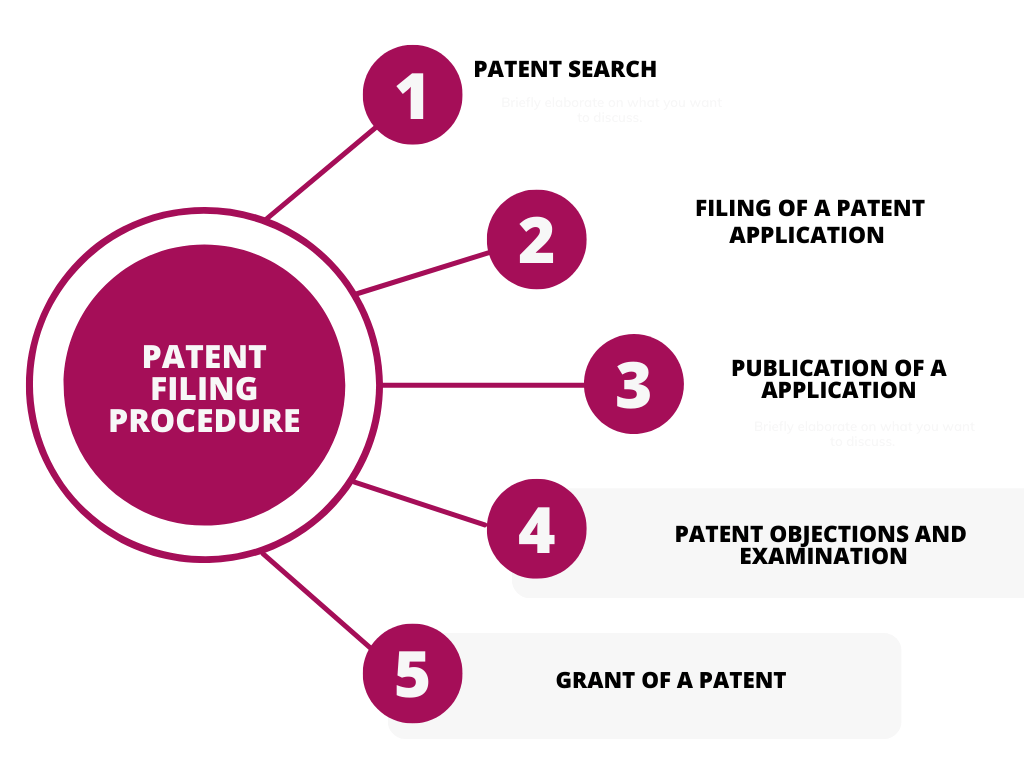
In the rapidly evolving landscape of innovation and technology, safeguarding intellectual property through patents has become increasingly crucial. Patents not only protect the inventor’s rights but also encourage further development by providing a competitive edge. Understanding the patent application process is vital for anyone looking to navigate this complex field effectively. This article outlines the key steps involved in the patent application process, offering insights into how to successfully secure a patent.
Conducting a Thorough Patent Search
The initial step in the patent application process involves conducting a comprehensive patent search. This step is critical to ensure that the invention is novel and has not been patented by someone else. Performing this search can prevent unnecessary expenses and time wasted on an invention that cannot be patented.
- Utilize official patent databases such as the United States Patent and Trademark Office (USPTO) database.
- Consider professional patent search services to ensure accuracy and comprehensiveness.
- Learn about our tailored solutions to effectively conduct a patent search.
Preparing the Patent Application
After confirming the novelty of the invention, the next step is preparing the patent application. This involves detailed documentation that clearly describes the invention and its unique aspects.
Drafting the Specification
The specification is a crucial component of the patent application that includes:
- A detailed description of the invention.
- Claims that define the scope of the patent protection.
- Drawings or diagrams to illustrate the invention, if necessary.
Discover expert strategies here to draft a compelling patent specification that meets legal requirements.
Filing the Application
Once the application is drafted, it must be filed with the relevant patent office. This step involves:
- Choosing the appropriate type of patent application, such as utility, design, or plant patent.
- Paying the required filing fees.
- Submitting the application to the patent office, either physically or electronically.
Find out more about this approach to ensure a smooth filing process.
Patent Examination Process
After filing, the patent application enters the examination phase, where it is scrutinized by a patent examiner for compliance with patent laws.
- The examiner reviews the application to ensure it meets all legal and technical requirements.
- Applicants may need to respond to office actions, which are objections or rejections issued by the examiner.
- Explore advanced guides and tips to navigate the examination process effectively.
Grant of Patent
If the patent application successfully passes the examination process, the patent is granted. This entails:
- Issuance of a patent certificate, officially recognizing the patent rights.
- The invention being listed in the official patent database, making it publicly accessible.
- Paying the maintenance fees to keep the patent active throughout its term.
Learn about our tailored solutions for maintaining patent rights and ensuring long-term protection.
Conclusion
Navigating the patent application process can be complex, but understanding these key steps can significantly enhance the chances of securing patent protection. From conducting a thorough patent search to successfully managing the examination process, each step plays a pivotal role in the overall application journey. For those seeking further guidance and expertise, resources are available to aid in every aspect of the patent application process. Explore advanced guides and tips to ensure a successful patent journey.
