
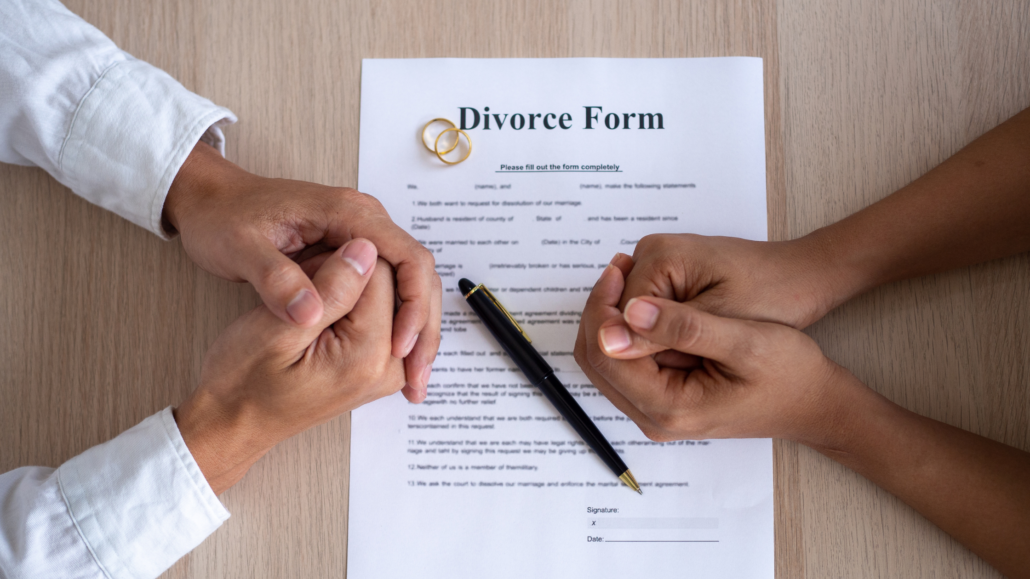
Navigating through the complexities of a divorce can be daunting. In Denver County, understanding the specific divorce forms and their requirements is crucial in ensuring a smooth legal process. These forms serve as the backbone of your divorce proceedings, and having the right knowledge can make a significant difference in the outcome. This guide aims to provide comprehensive insights into how to effectively manage and understand Denver County divorce forms, offering clarity and guidance during a challenging time.
Understanding Denver County Divorce Forms
The divorce process in Denver County involves a variety of documents that need to be completed and submitted. Each form serves a specific purpose, and it’s important to fill them out accurately to avoid any delays in the legal proceedings. Here are some key forms that are typically required:
- Petition for Dissolution of Marriage: This form initiates the divorce process and outlines the basic details of the marriage and grounds for divorce.
- Summons: Notifies the other party of the divorce action and their need to respond.
- Financial Affidavit: Provides a comprehensive overview of each party’s financial situation, crucial for matters of support and asset division.
- Separation Agreement: Details any agreements made between the spouses regarding the division of assets, debts, and other crucial matters.
- Parenting Plan: Required if there are children involved, outlining custody arrangements and parenting time.
Filing for Divorce in Denver County
Filing for divorce requires careful adherence to legal procedures. All denver county divorce forms must be correctly filled out and submitted to the appropriate court. This process involves:
- Submitting the initial petition and summons to the court clerk.
- Serving the divorce papers to the spouse, which can be done through a process server or, in some cases, by mail.
- Filing a certificate of service as proof that the documents have been served.
- Responding to any counterclaims if the served party contests the divorce.
Key Considerations When Handling Divorce Forms
Accuracy and completeness are essential when handling divorce forms. Incomplete or incorrect submissions can lead to delays or even dismissal of the case. Consider these tips:
- Ensure all forms are completed in full, with no sections left blank.
- Double-check all information for accuracy, especially financial disclosures.
- Consult with legal professionals if unsure about form requirements or legal terminology.
- Keep copies of all submitted documents for personal records.
Resources and Support
While handling divorce forms can be overwhelming, various resources are available to assist. Many find it beneficial to consult with a family law attorney who specializes in Denver County divorces. These professionals can provide valuable insights and ensure all documents are in order.
Additionally, online resources offer guidance on filling out specific forms and understanding the legal process. For more detailed information, the denver county divorce forms page provides access to the necessary documents and additional support.
Conclusion
Navigating the divorce process in Denver County requires attention to detail, especially when it comes to completing and submitting the necessary forms. By understanding the purpose of each document and following the outlined procedures, individuals can facilitate a smoother divorce process. Utilizing professional resources and online guidance can further ease the stress associated with this significant life change.
