
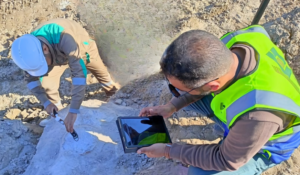
Pile integrity testing is a crucial process in the construction industry, ensuring the quality and reliability of pile foundations. This testing helps in identifying potential defects or anomalies in piles, thereby playing a vital role in maintaining structural integrity. Utilizing the right tools and equipment is essential for effective pile testing. This article delves into the essential tools required for successful pile integrity testing, offering insights into their functionalities and importance.
Understanding Pile Integrity Testing
Pile integrity testing is a non-destructive testing method used to assess the condition of concrete piles. This testing is particularly important for detecting flaws or weaknesses within the pile structure, such as cracks, voids, or changes in cross-sectional area.
Types of Pile Integrity Tests
-
- High strain dynamic testing
-
- Crosshole sonic logging
Essential Tools for Pile Integrity Testing
To ensure the accuracy and reliability of pile integrity tests, specific tools and equipment are necessary. Below are some of the essential tools used in pile testing:
1. Sonic Echo Test Equipment
The sonic echo test equipment is a fundamental tool for conducting low strain tests. It utilizes stress waves to detect anomalies in the pile structure. This equipment is crucial for identifying potential issues such as cracks or voids within the pile.
2. PET Pile Integrity Tester
The PET pile integrity tester is a versatile tool designed for conducting low strain pile integrity tests. It is user-friendly and provides accurate readings, making it an indispensable tool for quality assurance in pile testing.
3. Data Acquisition Systems
A reliable data acquisition system is vital for collecting and analyzing data from pile integrity tests. This system helps in processing the information obtained from the tests, allowing for detailed analysis and interpretation of the pile’s condition.
4. Transducers and Accelerometers
Transducers and accelerometers are used to convert physical signals into digital data that can be analyzed. They are essential for measuring the stress waves generated during the testing process, providing critical data for evaluating the integrity of the pile.
Benefits of Using the Right Tools
Employing the appropriate tools and equipment in pile integrity testing offers numerous benefits, including:
-
- Enhanced accuracy and reliability of test results
-
- Improved detection of structural anomalies
-
- Increased efficiency and speed of testing processes
-
- Reduced risk of structural failures and associated costs
Conclusion
Successful pile integrity testing hinges on the use of the right tools and equipment. The integration of advanced technologies such as the pile integrity test equipment ensures that construction projects maintain the highest standards of safety and reliability. By investing in state-of-the-art testing tools, professionals can confidently assess the structural integrity of piles, mitigating risks and enhancing the overall quality of construction projects.
