
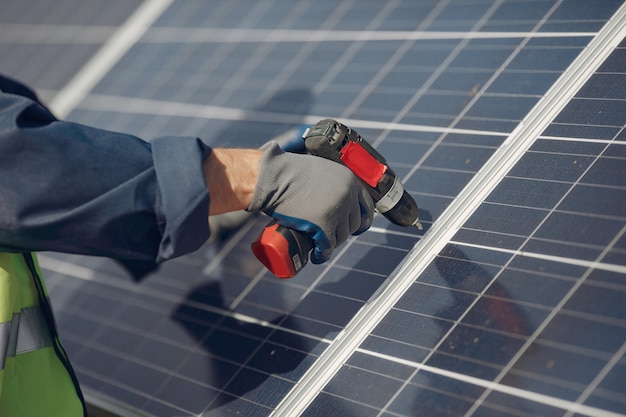
Solar panels are a significant investment for homeowners and businesses alike, providing a sustainable and cost-effective energy solution. However, like any investment, solar panels require regular maintenance to ensure they operate at optimal efficiency. Proper maintenance can extend the life of your solar system, improve its performance, and ultimately save you money. This guide will provide essential insights into maintaining solar panels effectively, ensuring they continue to deliver reliable energy output year after year. For more detailed information on solar panel maintenance, discover expert strategies here.
Importance of Regular Inspection
Regular inspections are the cornerstone of effective solar panel maintenance. Identifying potential issues before they become serious can prevent costly repairs and system downtime. Here are some key elements to focus on during inspections:
- Visual Inspection: Check for physical damage such as cracks or discoloration on the panels.
- Electrical Connections: Ensure that all electrical connections are secure and free of corrosion.
- Inverter Performance: Monitor the inverter’s status and output to ensure it is operating correctly.
- Mounting System: Verify that the mounting system is secure and has not been compromised by weather or other factors.
Conducting these inspections regularly can significantly enhance the longevity and efficiency of your solar power system. Find out more about this approach.
Cleaning Solar Panels
Why Cleaning is Essential
Dust, dirt, and other debris can accumulate on the surface of solar panels, reducing their efficiency. Regular cleaning is essential to maintain optimal energy production. Here’s what to consider:
- Frequency: Depending on your location, solar panels should be cleaned at least twice a year or more frequently if you live in a particularly dusty or polluted area.
- Tools: Use a soft brush or a sponge with water to avoid scratching the panels. Avoid harsh chemicals that could damage the surface.
- Timing: Clean panels during the early morning or late afternoon when the panels are cool to prevent thermal shock or damage.
For detailed cleaning procedures and recommendations, explore advanced guides and tips.
Monitoring System Performance
Consistent monitoring of your solar panel system’s performance can help identify any irregularities or declines in output. Here are some ways to effectively monitor your system:
- Use Monitoring Software: Most modern solar systems come with monitoring software that provides real-time data on energy production and system performance.
- Track Energy Bills: Compare your energy bills over time to detect any unexpected increases that could indicate a problem with your solar panels.
- Professional Assessment: Schedule periodic assessments with a professional to ensure your system is functioning as intended.
To enhance your understanding of monitoring techniques, learn about tailored solutions.
Troubleshooting Common Issues
Even with regular maintenance, issues can arise. Here are some common problems and how to address them:
- Shading: Ensure that no new obstacles, such as trees or buildings, are casting shadows on your panels.
- Inverter Issues: If the inverter is not functioning properly, it could lead to energy losses. Regular checks and timely repairs are crucial.
- Pest Interference: Birds and rodents can cause damage to wiring. Use protective measures to prevent such interference.
For comprehensive troubleshooting advice, explore advanced guides and tips.
Conclusion
Maintaining solar panels is critical to ensuring they provide consistent and efficient energy output. Regular inspections, cleaning, performance monitoring, and addressing common issues promptly can extend the lifespan of your solar system and optimize its performance. For those seeking to maximize their solar investment, understanding these maintenance essentials is paramount. For further insights and professional guidance, discover expert strategies here.
