
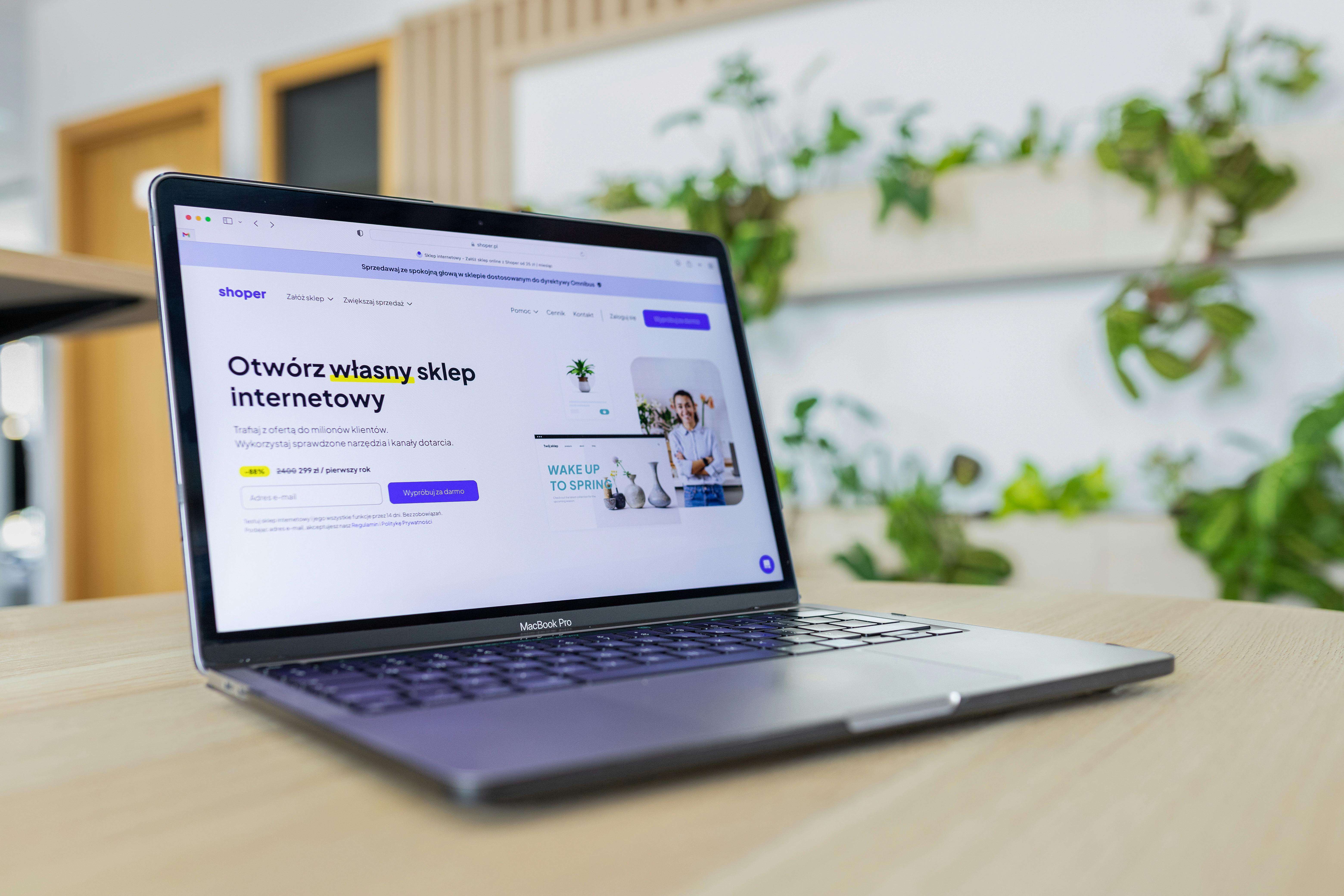
In today’s digital age, a robust online presence is crucial for businesses aiming to thrive in the competitive e-commerce landscape. Custom e-commerce development offers a unique opportunity to tailor online stores to meet specific business needs, enhance customer engagement, and drive sales. By leveraging strategic development approaches, businesses can create a seamless shopping experience that stands out in the crowded digital marketplace.
The Importance of Custom E-commerce Development
Custom e-commerce development enables businesses to create platforms that reflect their brand identity and cater to their specific operational requirements. Unlike generic solutions, custom development offers the flexibility to incorporate unique features and functionalities that can significantly improve user experience and satisfaction. Discover expert strategies here for optimizing e-commerce platforms.
Key Benefits of Custom Development
- Tailored User Experience: Custom development allows for the design of user interfaces that are intuitive and aligned with the brand ethos, enhancing customer engagement.
- Scalability: As a business grows, its e-commerce platform can be scaled to accommodate increased traffic and expanded product offerings without compromising performance.
- Integrations: Seamlessly integrate with existing systems such as CRM, ERP, and payment gateways to streamline operations and improve efficiency.
- SEO Optimization: Custom solutions enable the implementation of advanced SEO strategies to improve search engine rankings and drive organic traffic.
- Security: Enhanced security features can be tailored to protect sensitive customer data and prevent cyber threats.
Steps to Enhance Your Online Presence
To effectively enhance an online presence through custom e-commerce development, consider the following strategic steps:
1. Identify Business Needs and Objectives
Understanding specific business goals and customer expectations is fundamental. This insight informs the development process, ensuring that the platform aligns with business objectives and delivers value to customers. Learn about our tailored solutions to meet diverse business needs.
2. Choose the Right Technology Stack
Selecting the appropriate technology stack is crucial for ensuring the platform’s performance, scalability, and security. Consider factors such as the anticipated volume of transactions, the need for mobile responsiveness, and integration capabilities.
3. Design with the User in Mind
User-centric design is essential for creating a shopping experience that is both engaging and efficient. This includes intuitive navigation, fast loading times, and a mobile-friendly interface. Explore advanced guides and tips for creating user-friendly designs.
4. Implement Robust Testing and Quality Assurance
Before launching the platform, comprehensive testing is essential to identify and rectify any issues that could impede functionality or user experience. This includes testing for usability, performance, security vulnerabilities, and compatibility with different devices and browsers.
5. Continuous Monitoring and Optimization
Post-launch, continuous monitoring is vital for maintaining optimal performance and adapting to changing customer needs. Regular updates and optimizations ensure that the platform remains competitive and continues to deliver a high-quality shopping experience. Find out more about this approach to maintaining and enhancing e-commerce platforms.
Conclusion
Custom e-commerce development provides businesses with the tools to create unique, scalable, and secure online stores that align with their brand and operational goals. By focusing on user experience, integrating essential systems, and maintaining a proactive approach to platform management, businesses can significantly enhance their online presence and achieve long-term success in the digital marketplace. For more insights and solutions, explore advanced guides and tips on effective e-commerce development strategies.
