
In the realm of construction engineering, ensuring the structural integrity of piles is paramount to the success of building projects. The echo method, a cornerstone technique in pile integrity test processes, has evolved significantly, offering enhanced accuracy and reliability. This article provides a comprehensive overview of how the echo method is used to improve precision in pile testing, discussing its principles, benefits, and applications in modern engineering.
Understanding the Echo Method in Pile Testing
The echo method, also known as the low strain pile integrity test, is a non-destructive testing technique that evaluates the condition of piles by analyzing wave propagation through the pile. This method is revered for its simplicity and efficiency in detecting anomalies and defects within the pile structure.
Principles of the Echo Method
The echo method operates on the principle of transmitting a stress wave into the pile and measuring the reflected wave. Key factors include:
- Wave Propagation: The generated wave travels through the pile, reflecting back when encountering a defect or the pile base.
- Time of Reflection: The time taken for the wave to return provides insights into the pile’s length and integrity.
- Amplitude Analysis: Variations in wave amplitude help in identifying voids or discontinuities.
Advantages of Using the Echo Method
The echo method offers several advantages that make it an indispensable tool in pile testing with echo method. These benefits include:
- Non-Invasive Testing: As a non-destructive approach, the echo method preserves the pile’s structural integrity while offering accurate results.
- Cost-Effectiveness: The technique is economically feasible, reducing the need for extensive excavation or pile exposure.
- Rapid Deployment: Testing can be conducted quickly, allowing for efficient project timelines.
- Comprehensive Data: The method provides detailed information on pile length and potential defects, aiding in informed decision-making.
Applications in Modern Engineering
The echo method’s versatility extends its application across various engineering fields. It is particularly beneficial in:
- Infrastructure Projects: Ensuring the safety and longevity of bridges, highways, and tunnels.
- Commercial Construction: Verifying the integrity of foundation piles in skyscrapers and large complexes.
- Environmental Assessments: Evaluating piles in sensitive areas to minimize environmental disruptions.
Advanced Equipment for Echo Method Testing
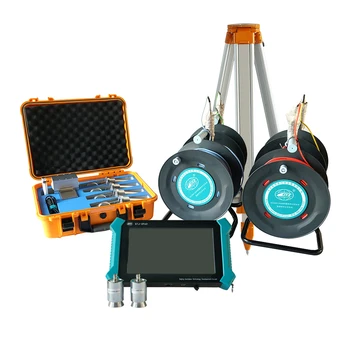
The development of sophisticated sonic echo test equipment has revolutionized the way engineers perform pile integrity assessments. Modern tools, such as the PET pile integrity tester, provide enhanced precision and user-friendly interfaces, facilitating comprehensive analysis and reporting.
Conclusion
In conclusion, the echo method stands out as a pivotal technique in the arsenal of pile testing methods. Its ability to deliver precise, reliable, and non-invasive results ensures that engineers can uphold the highest standards of safety and quality in construction projects. As technology continues to advance, the echo method will undoubtedly remain a cornerstone of pile integrity test practices, driving innovative solutions in structural assessment and engineering.
