
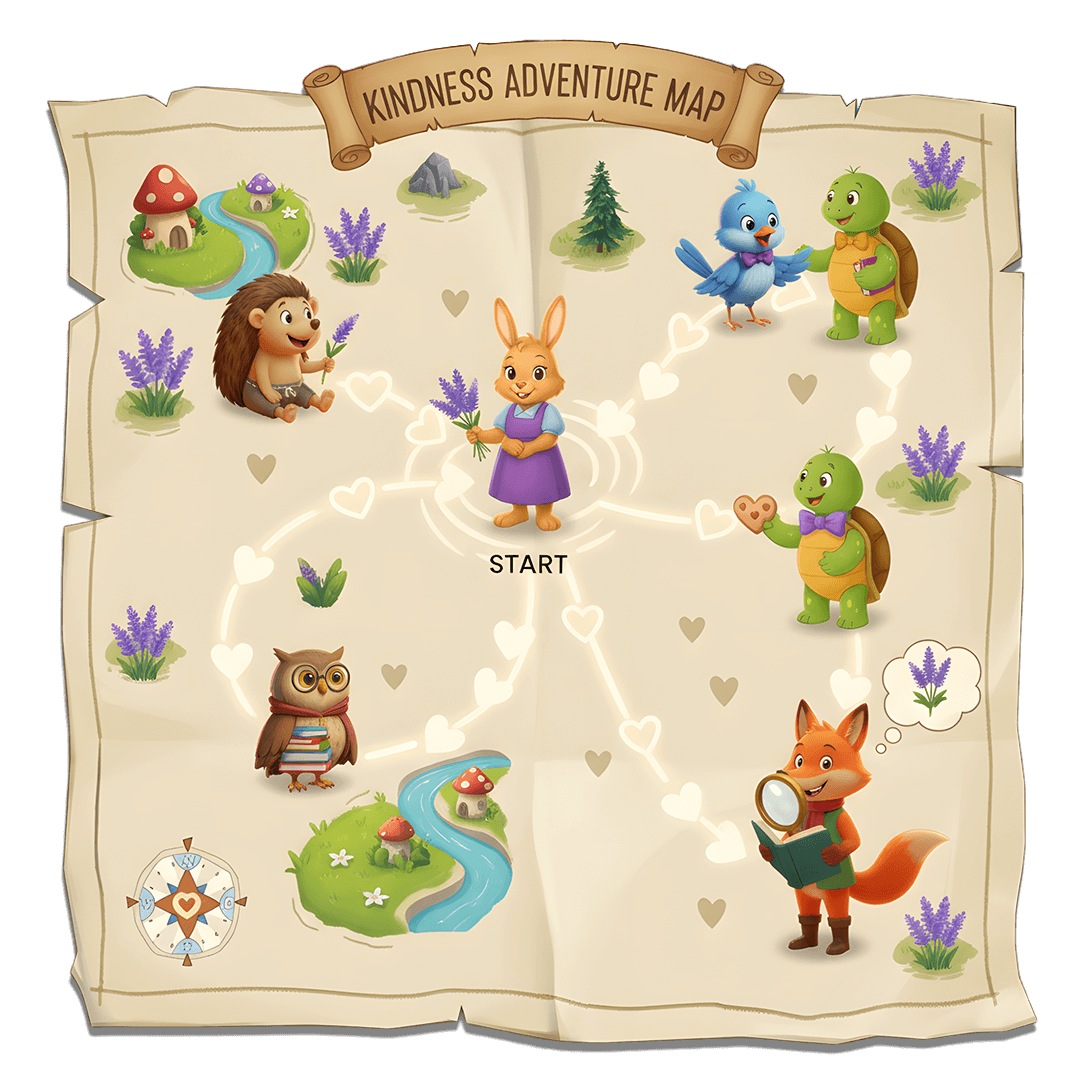
In today’s fast-paced world, the importance of teaching kindness to children cannot be overstated. Children’s story books play a crucial role in imparting these values, offering young readers the opportunity to learn empathy, understanding, and compassion through engaging narratives and relatable characters. These stories not only entertain but also educate, weaving life lessons into plots that resonate with young minds. By highlighting scenarios that depict kindness, children are inspired to emulate these behaviors in their daily lives. This article explores some of the most engaging children’s books on kindness and how they can be an effective tool in fostering emotional intelligence in the younger generation.
The Importance of Kindness in Children’s Literature
Children’s literature serves as a powerful medium for teaching kindness. Through stories, children learn:
- Empathy towards others and understanding different perspectives.
- The impact of their actions on others and the environment.
- Effective communication and conflict resolution skills.
For educators and parents seeking to instill these values, numerous resources are available. Discover expert strategies here to incorporate kindness-themed books into educational settings.
Top Children’s Books on Kindness
Selecting the right books can significantly enhance a child’s ability to understand and practice kindness. The following titles are exemplary in their approach to this noble theme:
- “The Invisible Boy” by Trudy Ludwig – A story that highlights the feeling of being invisible and the power of kindness to make someone feel seen.
- “Have You Filled a Bucket Today?” by Carol McCloud – This book uses a simple metaphor of a bucket to teach children how being kind can fill others’ emotional buckets.
- “Each Kindness” by Jacqueline Woodson – A poignant tale that shows how every small act of kindness can make a difference.
These books are not only captivating but also provide practical lessons on kindness. Find out more about this approach and how these stories can be integrated into daily learning activities.
Implementing Kindness Through Storytelling
Interactive Story Sessions
Interactive story sessions offer an excellent way to engage children with books on kindness. These sessions can include:
- Role-playing scenarios from the book to understand characters’ feelings.
- Group discussions on the moral of the story and how it applies to real-life situations.
- Creative activities, such as drawing scenes from the book, to reinforce the lessons learned.
Learn about our tailored solutions for conducting effective storytelling sessions that emphasize kindness.
Parental Involvement
Parents play a vital role in nurturing kindness through literature. By actively participating in reading sessions, they can:
- Encourage discussions about the themes and characters.
- Model kind behavior by discussing personal experiences related to the book.
- Set up family activities that mirror the acts of kindness depicted in the stories.
To create a harmonious learning environment at home, explore advanced guides and tips on engaging children with literature.
Conclusion
Children’s story books on kindness are invaluable tools for developing empathy and emotional intelligence in young readers. By choosing the right books and employing interactive methods, educators and parents can effectively teach the importance of kindness. Such stories help children understand the impact of their actions and inspire them to contribute positively to the world around them. For more insights on utilizing children’s literature to foster kindness, explore advanced guides and tips.
