
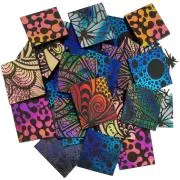
Etched dichroic glass, a beautiful fusion of colors and patterns, has become a captivating medium for artisans and designers alike. This unique form of glass not only enhances aesthetic appeal but also offers an intriguing play of light and color, making it a favorite choice in various artistic applications. The vibrant hues and intricate designs that result from the etching process create pieces that are both visually stunning and creatively inspiring. In this exploration, discover how etched dichroic glass can transform artistic endeavors and elevate the quality of design projects.
Understanding Etched Dichroic Glass
Dichroic glass is a type of glass that displays two different colors by undergoing a complex process of layering micro-thin metal oxides onto the glass surface. This layering reflects specific wavelengths of light, giving dichroic glass its characteristic color-shifting properties. When etched, the glass reveals intricate patterns and textures, adding depth and dimension to the already mesmerizing visual effects.
Key Characteristics
- Color-Changing Effect: Dichroic glass can appear to shift colors based on the angle of the light and the viewer’s perspective.
- Intricate Patterns: Etching allows for detailed designs to be incorporated into the glass, enhancing its visual appeal.
- Durability: Despite its delicate appearance, etched dichroic glass is robust and suitable for various applications.
Applications in Art and Design
The versatility of etched dichroic glass makes it an attractive choice for numerous creative projects. Its applications range from decorative art pieces to functional design elements in architecture and interior design.
Artistic Creations
Artists often use etched dichroic glass to create stunning jewelry, sculptures, and wall art. The dynamic color shifts add a unique dimension to every piece, making them stand out in any setting. For those interested in delving deeper into the possibilities of this medium, it is beneficial to explore advanced guides and tips that showcase innovative techniques and applications.
Interior Design
Incorporating etched dichroic glass into interior design can transform spaces into vibrant displays of light and color. It is commonly used in:
- Window Panels: To create eye-catching visual effects as natural light passes through.
- Lighting Fixtures: To add a colorful glow and enhance ambiance.
- Wall Features: As a focal point in modern and contemporary interiors.
For designers looking for tailored solutions in integrating such glass elements, learn about our tailored solutions to make informed choices in selecting the right type and design.
Techniques for Etching Dichroic Glass
Mastering the art of etching dichroic glass requires precision and creativity. Here are some techniques used by skilled artisans:
- Sandblasting: A popular method where abrasive particles are blasted at high pressure to etch designs onto the glass surface.
- Acid Etching: Involves using acid to remove layers from the glass, creating intricate patterns.
- Laser Etching: Utilizes laser technology to achieve detailed and precise designs.
By integrating these techniques, artists can achieve unique and personalized results. To discover expert strategies, find out more about this approach and enhance your craftsmanship.
Conclusion
Etched dichroic glass stands as a testament to the harmonious blend of technology and artistry. Its ability to captivate with color and design makes it an enduring favorite across various creative fields. Whether used in art, architecture, or interior design, the potential of this glass is limited only by imagination. For those eager to explore its full range of possibilities, discover expert strategies here to unlock new dimensions in your artistic endeavors.
