
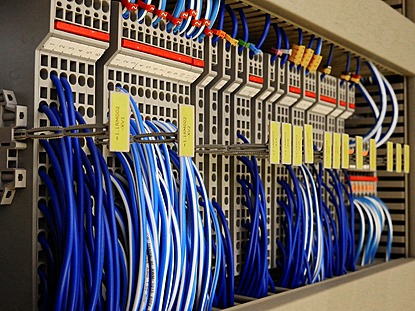
Designing custom electrical control panels is a critical aspect of modern industrial automation. These panels serve as the central hub for managing and controlling electrical systems within various industrial applications. A well-designed control panel not only enhances the performance and efficiency of machinery but also ensures safety, reliability, and ease of maintenance. The design process involves a meticulous approach to component selection, layout planning, and adherence to industry standards. This article explores the key considerations and strategies involved in crafting custom electrical control panels for enhanced performance, offering insights into achieving optimal functionality and longevity.
Importance of Custom Electrical Control Panels
Custom electrical control panels are essential for meeting the specific requirements of different industrial operations. Unlike off-the-shelf solutions, custom panels are tailored to address unique challenges and operational demands. Here are some reasons why custom panels are vital:
- They provide precise control and monitoring capabilities, ensuring efficient operation.
- Customization allows for the integration of specific components and features that match the operational needs.
- They enhance safety by incorporating necessary safeguards and fail-safes specific to the application.
- Custom panels can be designed to fit specific space constraints, ensuring optimal use of available space.
- They offer scalability, accommodating future upgrades or expansions in the system.
For more information on the importance of custom solutions, discover expert strategies here.
Key Considerations in Designing Custom Control Panels
Designing a custom electrical control panel requires careful planning and consideration of various factors to ensure it meets the operational needs effectively.
Component Selection
Selecting the right components is crucial. The components must be compatible with the system’s requirements and should be of high quality to ensure durability and reliability. Considerations include:
- Type and specifications of controllers and processors.
- Compatibility and integration with existing systems.
- Quality and certifications of the components.
- Availability of spare parts and ease of replacement.
For a detailed guide on component selection, explore advanced guides and tips.
Layout and Design
The layout of the control panel significantly impacts its functionality and maintenance. Key aspects include:
- Efficient arrangement of components for easy access and troubleshooting.
- Consideration of heat dissipation to prevent overheating.
- Clear labeling and documentation for ease of maintenance.
- Incorporation of necessary safety features and compliance with industry standards.
Well-thought-out design ensures the panel is user-friendly and minimizes downtime. Find out more about this approach.
Compliance and Standards
Adhering to industry standards and regulations is non-negotiable in control panel design. Compliance ensures safety and reliability. Consider:
- Following national and international standards like IEC, NEC, and UL.
- Ensuring all components and the overall design are certified and tested.
- Implementing necessary safety features, such as circuit protection and emergency shut-off mechanisms.
Understanding compliance requirements is essential for designing effective control panels. Learn about our tailored solutions.
Conclusion
Custom electrical control panels play a pivotal role in enhancing the performance and safety of industrial systems. By focusing on component selection, layout design, and adherence to standards, businesses can ensure their systems operate efficiently and reliably. Leveraging expert knowledge and resources available at atlas-ot.com can provide valuable insights and strategies for designing high-performance control panels tailored to specific needs.
