
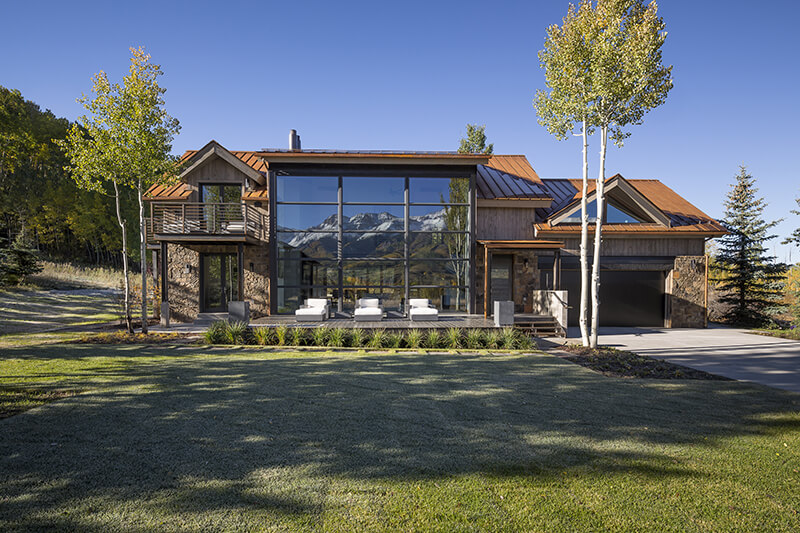
Embarking on a construction project, whether it is a residential home or a commercial building, requires a well-orchestrated collaboration between design and construction teams. The design-build approach streamlines this process by integrating design and construction services under one entity. This method offers a seamless transition from concept to completion, ensuring that a project is executed efficiently and effectively. Embracing this approach allows for a more cohesive vision, reducing the likelihood of miscommunication and delays commonly found in traditional models.
The Design-Build Process: A Comprehensive Overview
The design-build method is a departure from the traditional design-bid-build model. It combines the expertise of architects, engineers, and construction professionals to provide a unified service from initial design through the completion of construction. This model can significantly enhance project delivery and is increasingly preferred for its efficiency and effectiveness.
Stages of the Design-Build Process
- Conceptualization: The process begins with an extensive discussion to understand the client’s needs, vision, and budget. This stage sets the foundation for all subsequent phases.
- Design Development: Architects and designers work closely with the client to create detailed plans and specifications. During this phase, the project’s feasibility and cost estimates are refined.
- Construction Planning: The project team develops a construction strategy, including scheduling, resource allocation, and risk management. Discover expert strategies here.
- Construction Execution: With all plans in place, the construction phase begins. Regular updates and open communication ensure that the project stays on track and within budget.
- Project Completion: Upon completion, the project undergoes a comprehensive review to ensure all specifications are met. The final handover marks the end of the design-build journey.
Benefits of a Design-Build Architect
Opting for a design-build architect offers numerous advantages, making it an attractive option for many clients. Here are some key benefits:
- Single Point of Contact: Clients interact with one team throughout the project, simplifying communication and coordination.
- Time Efficiency: Overlapping the design and construction phases can significantly reduce the project timeline, as issues can be addressed promptly.
- Cost Savings: Improved collaboration and streamlined processes can lead to cost efficiencies and reduced overheads. Learn about our tailored solutions here.
- Enhanced Quality Control: Continuous involvement of the design team ensures that quality standards and client expectations are met throughout the project lifecycle.
Key Considerations When Choosing a Design-Build Architect
Selecting the right design-build architect is crucial to the success of a project. Here are several factors to consider:
- Experience and Expertise: Evaluate the architect’s past projects to ensure they have the necessary experience in similar types of construction.
- Communication Skills: Effective communication is vital. Choose a team that can clearly articulate ideas and updates throughout the project.
- Innovative Solutions: Look for a design-build team that offers innovative and sustainable solutions tailored to the project’s needs. Explore advanced guides and tips here.
- Client Reviews: Consider feedback from previous clients to gauge satisfaction with the architect’s services and results.
Conclusion
The design-build approach is not just a project delivery method but a philosophy that prioritizes collaboration and integration. By selecting a design-build architect, clients can enjoy a smoother, more efficient process that transforms their vision into reality. As the construction landscape evolves, this model continues to gain traction for its ability to deliver high-quality results in a timely manner. Find out more about this approach here.
