
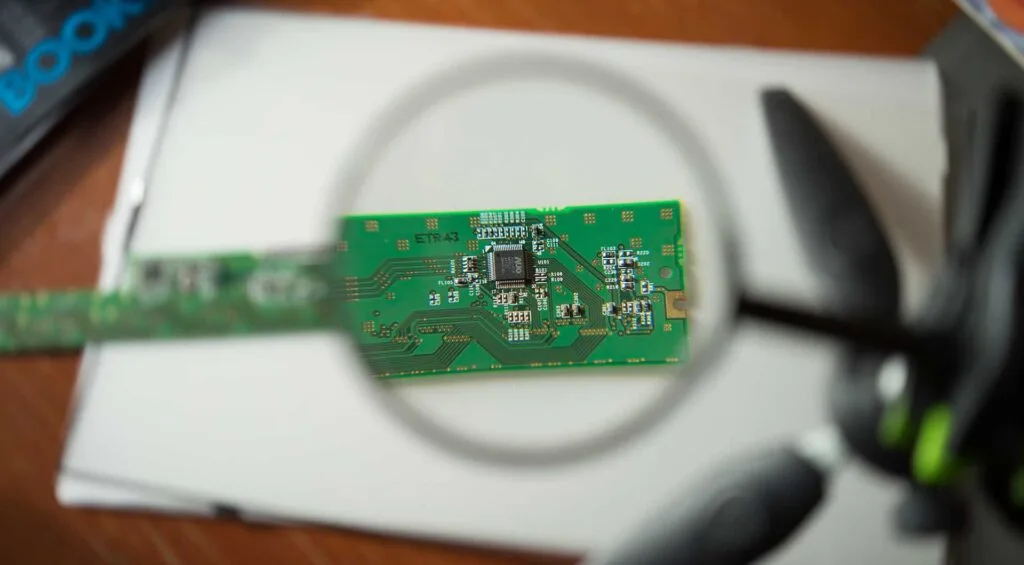
In an increasingly connected world, the design of IoT devices has become an essential aspect of technological advancement. The Internet of Things (IoT) encompasses a wide variety of devices, from smart home appliances to complex industrial machinery, all of which require precise electronic hardware design. This intricate process involves multiple stages, each crucial for ensuring that the final product functions efficiently and reliably. Understanding these stages can help innovators and businesses alike to harness the power of IoT more effectively.
Understanding Electronic Hardware Design for IoT Devices
The journey of creating an IoT device begins with electronic hardware design. This process involves translating a conceptual idea into a tangible product that can interact seamlessly within a digital ecosystem. The design process is essential for ensuring compatibility, performance, and reliability.
Key Components of IoT Hardware Design
Several critical components form the backbone of any IoT device. These include:
- Sensors: Devices that detect changes in the environment and send the data to the processor.
- Microcontrollers: The brain of the device, responsible for processing data and controlling other components.
- Connectivity Modules: Enable communication with other devices or networks, often via Wi-Fi, Bluetooth, or cellular networks.
- Power Management Systems: Ensure efficient energy use, crucial for battery-operated devices.
A thorough understanding of these components is essential for successful iot hardware design.
The Hardware Prototyping Phase
Once the design blueprint is ready, the next step is hardware prototyping. This stage involves creating a working model of the device to test its functionality and performance. Prototyping allows engineers to identify potential issues and make necessary adjustments before mass production.
Benefits of Prototyping in IoT Device Development
- Validation of Design: Ensures that the design meets the required specifications and functions as intended.
- Cost Reduction: Identifying and resolving issues early can significantly reduce production costs.
- Time Efficiency: Speeds up the transition from concept to market-ready product.
Role of Electronics Hardware Engineers
The expertise of an electronics hardware engineer is invaluable throughout the design and development process. These professionals work closely with other team members to ensure that every aspect of the device meets high standards of quality and efficiency.
Responsibilities of an Electronics Hardware Engineer
- Design and Development: Creating detailed plans and specifications for electronic systems.
- Testing and Analysis: Conducting rigorous testing protocols to ensure optimal device performance.
- Collaboration: Working with software developers, product managers, and other stakeholders to integrate hardware with software solutions.
Conclusion
The process of robot hardware design for IoT devices is complex but manageable with the right expertise and resources. By understanding the components, engaging in effective prototyping, and leveraging the skills of experienced engineers, businesses can create innovative IoT solutions that drive efficiency and connectivity in various industries.
