
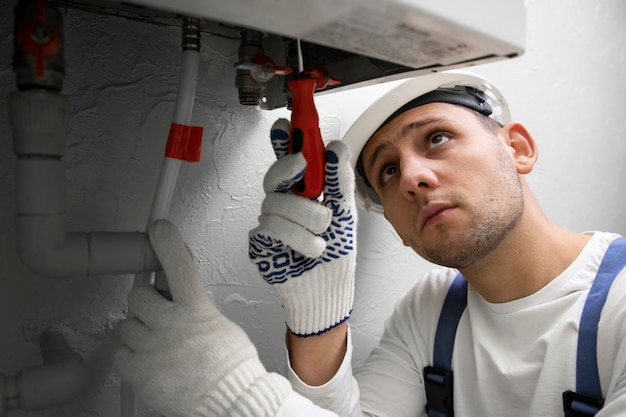
Facing a leaking hot water heater can be a troublesome issue for homeowners. It not only disrupts the supply of hot water but also poses a risk of water damage to your property. Understanding the causes and solutions for a hot water heater leak is crucial for effectively managing this common household problem. This article provides insightful tips and solutions to help you address a leaking hot water heater, ensuring your home remains safe and your water heater functions efficiently.
Identify the Source of the Leak
Before initiating any repairs, it’s essential to identify the source of the leak. Common areas where leaks may occur include:
- Inlet and Outlet Connections: These are the pipes that bring cold water in and take hot water out. Loose fittings can cause leaks.
- Temperature and Pressure Relief Valve: This valve can leak if it?s defective or if the pressure inside the tank is too high.
- Drain Valve: Located at the bottom of the heater, this valve can leak if it?s not closed properly or if it?s defective.
- Tank: If the tank itself is leaking, it might be due to corrosion, which often means replacement is necessary.
Once the leak source is identified, appropriate action can be taken. For further guidance on identifying and fixing leaks, explore advanced guides and tips.
Immediate Steps to Mitigate Damage
Upon discovering a leak, quick action is essential to minimize any potential damage. Here are the steps to follow:
- Turn Off the Power: For electric heaters, switch off the circuit breaker. For gas heaters, turn the gas valve to the ‘off’ position.
- Shut Off the Water Supply: Locate the cold water inlet valve at the top of the heater and turn it off to prevent more water from entering the tank.
- Drain the Tank: Attach a hose to the drain valve and direct it to a safe drainage area to empty the water from the tank. This helps in reducing pressure and stopping the leak temporarily.
These initial steps are crucial in preventing further water damage and ensuring safety. For professional assistance, discover expert strategies here.
Repair Solutions for Common Leaks
Fixing Leaks in Connections
If the leak is from the inlet or outlet connections, tightening the fittings may resolve the issue. Ensure all connections are properly sealed using plumbing tape to prevent future leaks. If the problem persists, replacement of the fittings might be necessary.
Addressing Valve Leaks
For leaks from the temperature and pressure relief valve, check for debris or damage. Sometimes, replacing the valve is the best solution. If the drain valve leaks, ensure it?s tightly closed. If the leak continues, replacing the valve might be required.
Dealing with Tank Leaks
Leaks originating from the tank itself usually indicate corrosion. In such cases, it’s often more economical to replace the water heater rather than repair it. For comprehensive advice on when to repair or replace your water heater, find out more about this approach.
Preventing Future Leaks
Preventative measures can significantly extend the life of your water heater and reduce the risk of leaks:
- Regular Maintenance: Schedule routine inspections and maintenance checks to catch potential issues early.
- Install a Water Softener: Hard water can accelerate corrosion; a water softener can help mitigate this problem.
- Monitor Pressure Levels: Ensure that the water pressure is within safe limits to prevent stress on the heater.
For more maintenance tips and tailored solutions, learn about our tailored solutions.
By understanding the causes and solutions for a hot water heater leak, homeowners can effectively manage this common issue. Regular maintenance and timely interventions are key to ensuring the longevity and efficiency of your water heater. For further assistance and professional advice, consulting a qualified plumbing expert is always advisable.
