
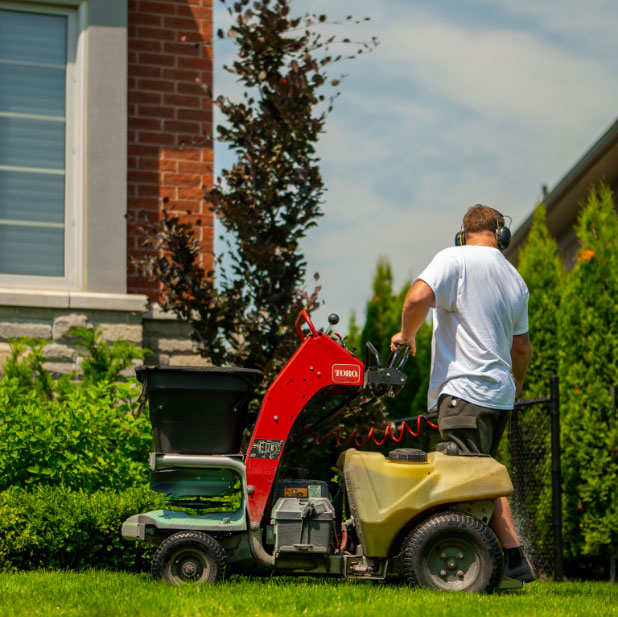
Maintaining a beautiful and healthy lawn is a rewarding endeavor that can significantly enhance the curb appeal of any property. While regular mowing, watering, and fertilizing are critical components of lawn care, one often overlooked practice can make a considerable difference: lawn aeration. This essential lawn care service can rejuvenate tired grass, improve soil health, and ultimately contribute to a more vibrant and lush landscape.
Understanding Lawn Aeration
Lawn aeration is a process that involves perforating the soil with small holes to allow air, water, and nutrients to penetrate the grass roots. This practice helps the roots grow deeper and creates a stronger, more vigorous lawn. Over time, soil can become compacted due to foot traffic, lawnmowers, and environmental factors, leading to poor grass growth and an unhealthy lawn. Aeration alleviates compaction and breaks up thatch, encouraging better growth and health.
Benefits of Lawn Aeration
Engaging a lawn aeration service offers numerous benefits that can transform your lawn from lackluster to lush. Some of the primary advantages include:
- Improved Air Exchange: Aeration facilitates better air exchange between the soil and atmosphere, enhancing the respiration of grass roots.
- Enhanced Nutrient Absorption: By allowing nutrients to penetrate deeper into the soil, aeration ensures that grass receives the essential elements it needs for growth.
- Better Water Absorption: Compacted soil often leads to water runoff and puddling. Aeration helps water reach the root zone, reducing runoff and promoting efficient water use.
- Reduced Thatch: Thatch is a layer of dead grass and roots that can suffocate grass if it becomes too thick. Aeration breaks down this layer, improving soil health.
- Strengthened Grass Roots: By allowing roots to grow deeper and stronger, aeration boosts the overall health and resilience of the lawn.
The Timing of Aeration
The timing of lawn aeration is crucial for maximizing its benefits. Most lawns benefit from aeration at least once a year, typically in the growing season when the grass can recover quickly. Cool-season grasses should be aerated in early spring or fall, while warm-season grasses benefit from aeration in late spring through early summer. This timing ensures that the grass can heal and fill in any open areas after aeration.
Choosing the Right Aeration Method
There are two primary methods of aeration: core aeration and spike aeration. Core aeration involves removing small plugs of soil from the lawn, which is generally more effective for relieving soil compaction. Spike aeration, on the other hand, uses a solid tine to create holes in the soil. While easier to perform, spike aeration might not be as effective for compacted soils.
Considerations for Professional Services
While DIY aeration is possible, hiring professionals for lawn aeration services ensures the job is done efficiently and effectively. Professionals have the expertise and equipment needed to handle various soil types and lawn conditions. They can assess the specific needs of the lawn and provide tailored solutions for optimal results.
Integrating Aeration into Regular Lawn Care
For the best results, integrate aeration into the overall lawn care routine. After aeration, applying fertilizers and overseeding can further enhance lawn health and appearance. Regular mowing, watering, and maintaining soil health are also crucial for sustaining the benefits of aeration.
In conclusion, lawn aeration is a vital practice that can significantly boost the curb appeal of any property. Whether chosen as a DIY project or entrusted to professional services, aeration can lead to a healthier, more resilient, and attractive lawn. By understanding its benefits and integrating it into regular lawn care routines, property owners can enjoy a vibrant landscape that stands out in any neighborhood.
