
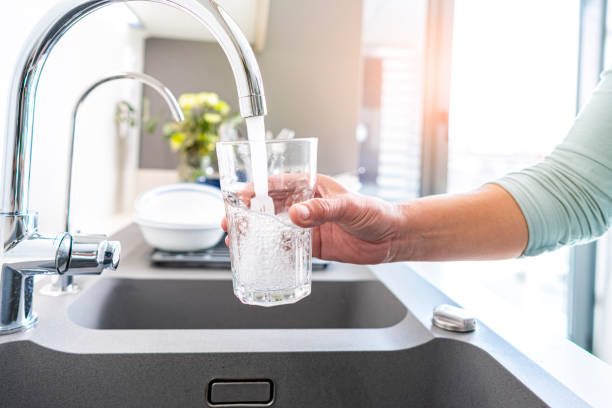
Reverse osmosis (RO) filter systems are widely recognized for their ability to deliver pure, clean drinking water by removing contaminants and impurities. However, like any sophisticated water filtration system, maintaining an RO system is crucial to ensure its optimal performance and longevity. This guide provides valuable insights on maintaining your reverse osmosis filter system effectively, helping you enjoy safe and clean water consistently.
Understanding Your Reverse Osmosis Filter System
Reverse osmosis systems function by forcing water through a semipermeable membrane, filtering out contaminants and impurities. Maintenance involves regular monitoring and replacement of various components such as pre-filters, post-filters, and the RO membrane. Understanding the system’s components and their roles is crucial for effective maintenance.
Key Components
- Pre-filters: Protect the RO membrane by removing larger particles and sediments from the water.
- RO Membrane: The core of the system, filters out dissolved solids and contaminants.
- Post-filters: Polish the water, removing any remaining tastes or odors.
- Storage Tank: Holds the filtered water until it is needed.
Routine Maintenance Tips
Regular maintenance is key to ensuring the longevity and effectiveness of your reverse osmosis system. Here are some essential tips:
Regular Filter Replacement
- Replace pre-filters every 6 to 12 months to protect the RO membrane.
- Change the RO membrane every 2 to 3 years, depending on water quality and usage.
- Post-filters should be replaced every 12 months to maintain water quality.
Discover expert strategies here to ensure timely replacements.
System Cleaning and Sanitization
- Sanitize the RO unit at least once a year to prevent bacterial buildup.
- Use food-grade sanitizers specifically designed for RO systems.
- Flush the system thoroughly after cleaning to remove all sanitizer residues.
Explore advanced guides and tips on proper cleaning techniques here.
Troubleshooting Common Issues
Understanding potential issues and their solutions is essential for effective system maintenance. Common problems include:
Low Water Pressure
- Check the pressure in the storage tank; it may need adjustment.
- Examine pre-filters and the RO membrane for blockages.
- Consider replacing old or clogged filters.
Water Taste and Odor Issues
- Ensure regular replacement of post-filters to maintain taste quality.
- Check for any leaks or breaches in the system that may introduce contaminants.
Learn about tailored solutions for these issues here.
Conclusion
Maintaining a reverse osmosis filter system is integral to ensuring a continuous supply of high-quality drinking water. Regular inspection, timely replacement of filters, and proper system cleaning are essential practices. Whether facing common issues or performing routine maintenance, a well-maintained RO system can significantly enhance water quality and safety. Find out more about this approach here.
