
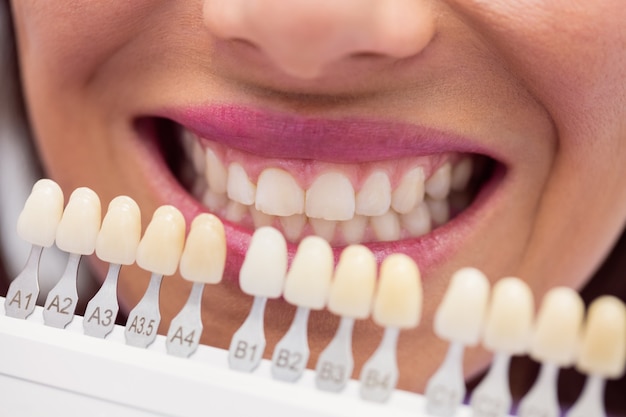
Dental crowns serve as an essential component in restorative dentistry, offering both aesthetic and functional benefits. They are commonly used to restore the shape, size, and strength of a damaged tooth. Understanding the different types of dental crowns available is crucial for patients considering restorative options. This guide explores the common types of crowns used in dental restoration, providing insights into their unique characteristics and potential applications.
Porcelain-Fused-to-Metal (PFM) Crowns
Porcelain-fused-to-metal crowns are a popular choice due to their balance of durability and aesthetics. They consist of a metal shell covered with a porcelain layer, allowing them to blend seamlessly with natural teeth.
- Durability: The metal core provides strength, making these crowns suitable for both front and back teeth.
- Aesthetic Appeal: The porcelain coating offers a tooth-like appearance.
- Potential Drawbacks: Over time, the metal may become visible as gums recede.
Discover expert strategies here for integrating PFM crowns into dental treatment plans.
All-Ceramic or All-Porcelain Crowns
All-ceramic crowns are renowned for their superior aesthetic qualities, making them an excellent choice for restoring front teeth.
- Aesthetic Superiority: These crowns provide the best natural color match and are ideal for patients with metal allergies.
- Strength and Suitability: Suitable primarily for front teeth due to their less robust nature compared to metal-based crowns.
- Cost Consideration: Often more expensive than other types due to the high-quality materials used.
Learn about our tailored solutions by visiting this page to understand how all-ceramic crowns can enhance dental aesthetics.
Gold Alloy Crowns
Gold alloy crowns are a traditional option, offering remarkable durability and biocompatibility.
- Exceptional Durability: Gold alloy is highly resistant to wear and can withstand significant biting forces.
- Biocompatibility: These crowns are gentle on the opposing teeth and do not cause significant wear.
- Visual Consideration: Their gold color may not be suitable for those seeking a natural tooth appearance.
Explore advanced guides and tips on the selection and use of gold alloy crowns by visiting this resource.
Zirconia Crowns
Zirconia crowns have gained popularity due to their strength and natural appearance. They are made from zirconium dioxide, a very durable type of ceramic.
- Strength and Durability: Comparable to metal crowns, making them suitable for back teeth as well.
- Aesthetic Qualities: They offer a pleasing appearance, similar to all-ceramic crowns.
- Versatility: Can be used for both anterior and posterior restorations.
Find out more about this approach to using zirconia crowns by checking this link.
Conclusion
Selecting the appropriate type of dental crown involves considering factors such as durability, aesthetic demands, and cost. Each type has its unique advantages, making it essential to consult with a dental professional to determine the best option based on individual needs. By understanding these common crown types, patients can make informed decisions and achieve optimal outcomes in their dental restoration journey.
